
10 Indoor Activities For Kids By Age Ideas
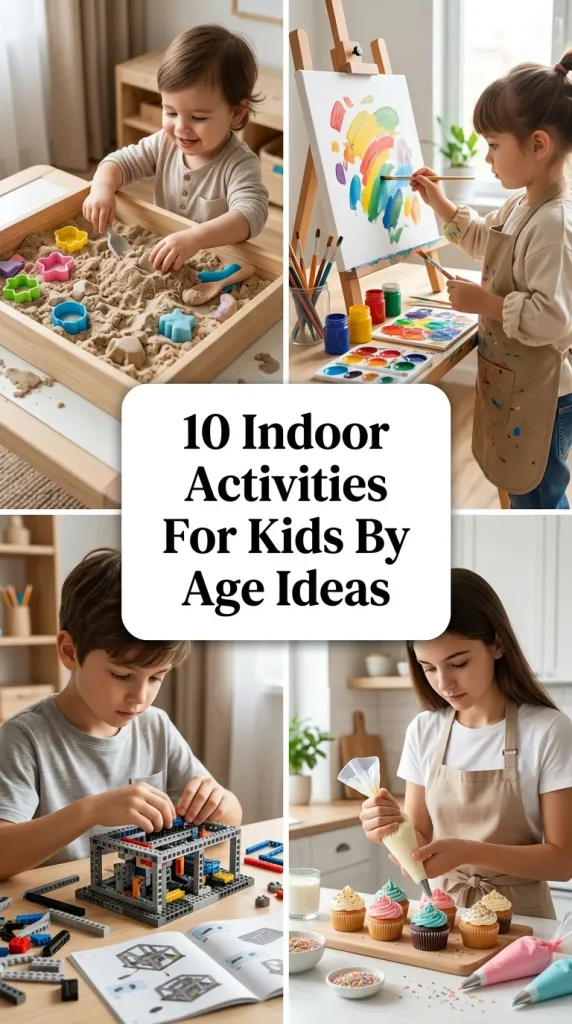
Engaging Young Minds: Exploring 10 Indoor Activities For Kids By Age Ideas
Structuring indoor playtime requires an understanding of childhood development phases, sensory milestones, and space management. This comprehensive guide details ten versatile indoor activities for kids by age ideas that seamlessly combine cognitive enrichment with clean, organized home setups. Readers will discover how to prepare low-mess play environments, coordinate age-appropriate materials, establish distinct activity boundaries, and maintain a tidy living space. Whether you are managing a high-energy toddler in a compact apartment living room or curating a complex educational challenge for pre-teens in a dedicated playroom, this structured tutorial offers clear, actionable strategies. Understanding how to align developmental milestones with specific playful themes allows you to cultivate a motivating sanctuary that expands a child’s problem-solving skills effortlessly. By focusing on balanced geometry, durable non-toxic supplies, and disciplined organization methods, anyone can confidently execute a rewarding and highly engaging creative project.
Why Age-Segmented Indoor Play Is Rising
Mindfully structured childhood play tracks have captured immense visibility across modern Pinterest ideas, demonstrating a prominent shift toward intentional home-based education and development. These trending ideas are exceptionally popular because they offer significant practical value, matching a child’s exact physical capability with a stimulating challenge to prevent frustration or boredom. The distinct focus on using simple household items decoratively and building modular loose-parts stations carries an incredible DIY appeal, enabling parents to craft bespoke learning environments with basic home decor components. This remarkable accessibility for beginners ensures that achieving an enriching, high-concept childhood habitat is entirely realistic without purchasing expensive commercial toys or permanent playground installations. By emphasizing low-profile organization systems and flexible layout zones, these creative ideas prove that interior spaces can easily adapt to evolving family dynamics while exuding a sophisticated, calming minimalist style.
Essential Materials and Safety Preparation
Launching a successful indoor activity track requires thorough preparation, accurate spatial mapping, and gathering appropriate non-toxic materials before introducing children to the playspace. Collect your essential workspace equipment, including a digital stopwatch, heavy-duty floor protectant canvas tarps, child-safe blunt scissors, color-coded storage bins, and damage-free painters tape. The primary materials needed for a durable, clean setup typically include organic sensory play grains, food-safe watercolor paints, recycled cardboard sheets, interlocking EVA foam mats, and high-tensile cotton twine rope. During the initial preparation phase, clear out fragile tabletop items, wipe down work surfaces completely to remove microscopic dust, and verify that all loose parts match standard safety choking-hazard dimensions. Developing a precise layout blueprint beforehand ensures your creative project proceeds smoothly from start to finish, preventing chaotic material spills and keeping your active home environment perfectly orderly.
Ten Practical Indoor Activity Concepts by Age Group
Idea 1: The High-Contrast Sensory Rice Excavation (Ages 1–2)
Setup Method
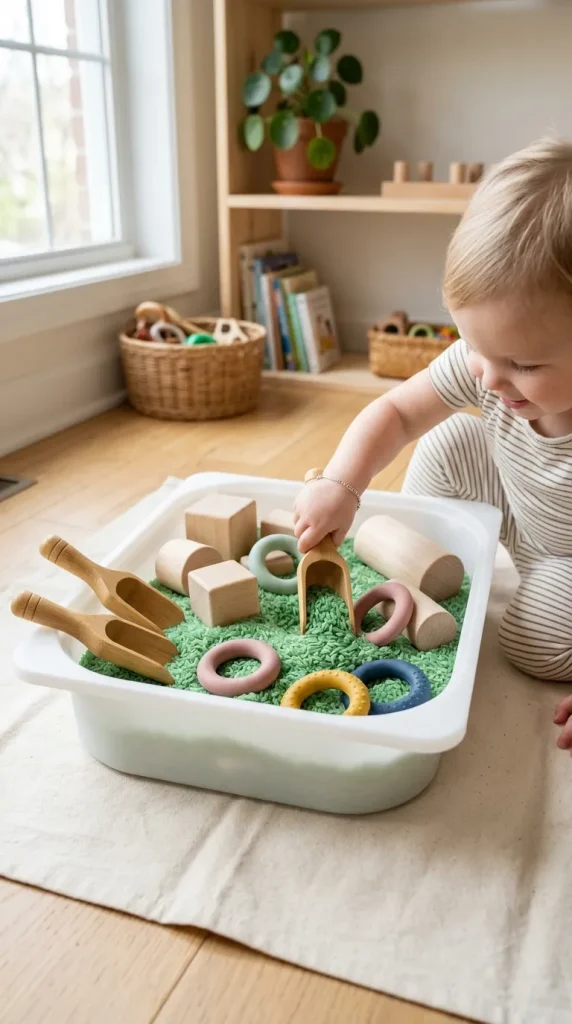
To establish a highly immersive tactile exploration zone that safely anchors a toddler’s natural curiosity, construct a low-profile sensory bin station. Place a large, shallow white plastic container measuring twenty-four inches square directly onto an unrolled canvas floor mat to catch any stray grains easily. Fill the basin with four pounds of raw white long-grain rice mixed with a few drops of organic green food coloring for visual contrast. Hide six oversized, smooth wooden blocks and large silicone teething rings completely beneath the rice horizon, inviting infants to dig using wide bamboo scoops. This easy project focuses entirely on foundational fine motor skills, providing a smooth non-porous setup that can be poured back into an airtight storage jar instantly with zero lingering household mess.
Idea 2: The Painters Tape Balance Beam Matrix (Ages 2–3)
Step-by-Step Guide
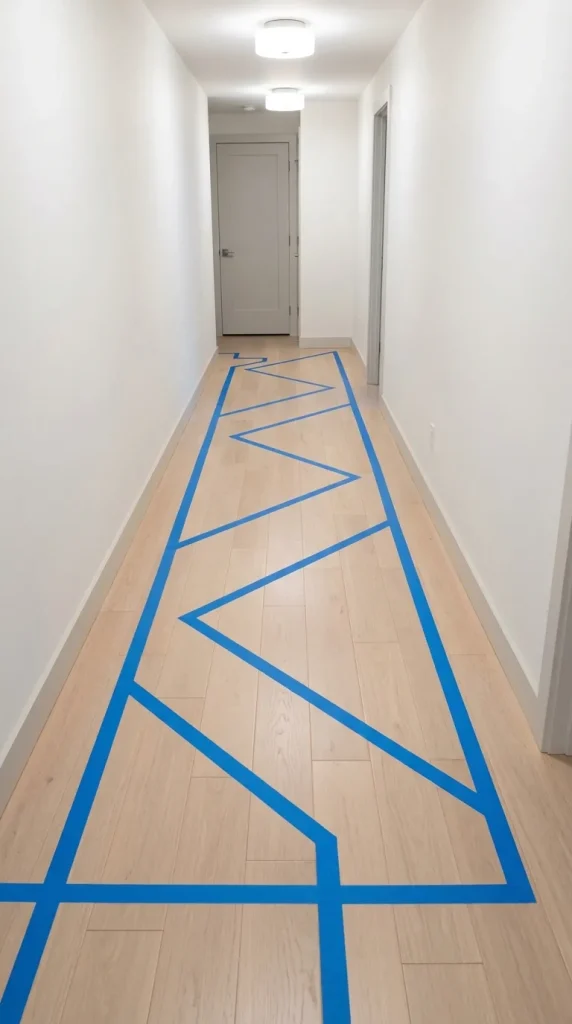
Introduce a dynamic gross motor coordination track to a narrow hallway or living room floor by laying a complex geometric balance beam network using colorful painters tape. Pull a long, continuous strip of bright blue two-inch painters tape flat across your wood tiles or low-pile rugs, ensuring it adheres firmly without curling edges. Map out a series of sharp 90-degree turns, zig-zag lines, and large circular hopping pads at equal twelve-inch intervals along the central transit lane. Instruct your toddler to walk precisely heel-to-toe along the colored tape line, balancing their weight without stepping off onto the surrounding floor area. This beginner friendly movement zone requires zero heavy physical equipment, preserving a completely clean minimalist style floor plan while building bodily balance.
Idea 3: The Recycled Cardboard Window Coin Drop (Ages 3–4)
Execution Process
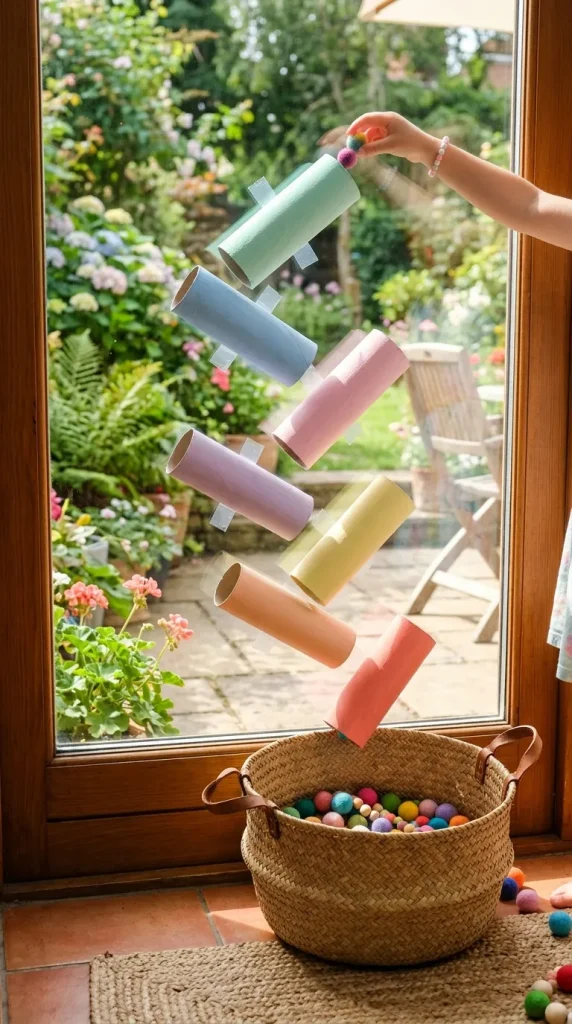
Utilize empty vertical space along patio glass doors or smooth drywall surfaces by assembling a gravity-fed sorting dropsy game using clean cardboard tubing. Collect six empty cardboard paper towel rolls, painting the exterior surfaces in alternating pastel tones using low-VOC matte chalk paint to maintain an attractive home decor aesthetic. Secure the tubes vertically to the window pane in a staggered, diagonal zig-zag configuration using low-tack, damage-free masking tape bands. Place a large woven seagrass basket directly underneath the bottom terminal outlet to catch incoming objects cleanly as they drop through the network. Children slide large plastic poker chips or wooden buttons down the top entry point, watching gravity guide the objects through the custom handmade maze.
Idea 4: The Geometry Shadow-Box Silhouette Match (Ages 4–5)
How to Create
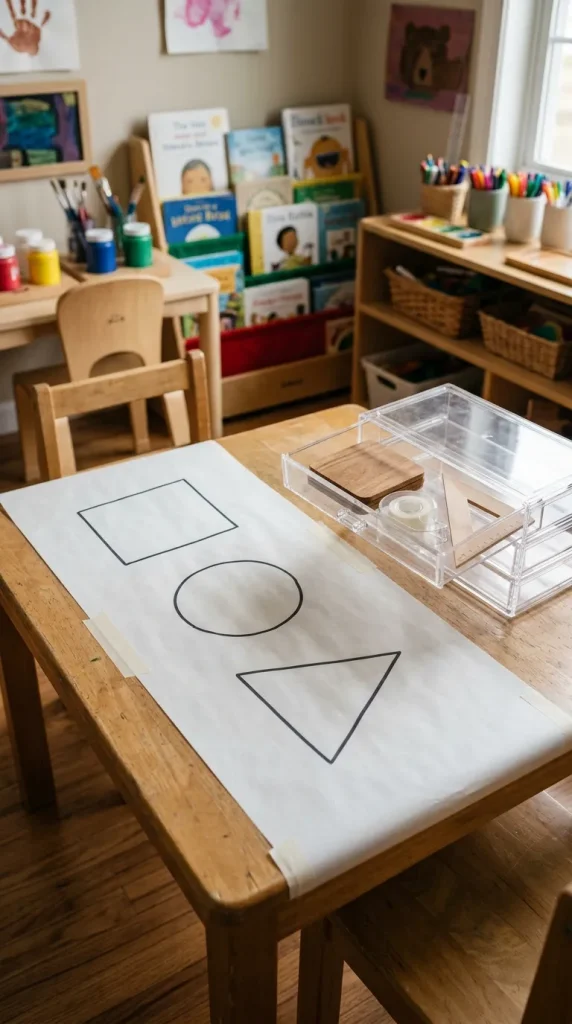
Nurture advanced spatial reasoning and shape recognition by creating an interactive, double-paned silhouette matching board utilizing household items and heavy butcher paper. Cut a three-foot length of heavy white kraft paper, taping it flat across a low activity table or directly to a smooth playroom partition wall. Arrange eight distinct, recognizable geometric items—such as a square coaster, a circular roll of tape, and a triangle ruler—flat along the paper sheet. Trace the outer borders of each object precisely using a thick black permanent marker, then remove the items and place them randomly inside a clear acrylic sorting drawer. Preschoolers work to align each physical item perfectly over its corresponding black outline, matching shapes in a highly structured, self-contained educational loop.
Idea 5: The Loose-Parts Architectural Mini-City (Ages 5–6)
Setup Method
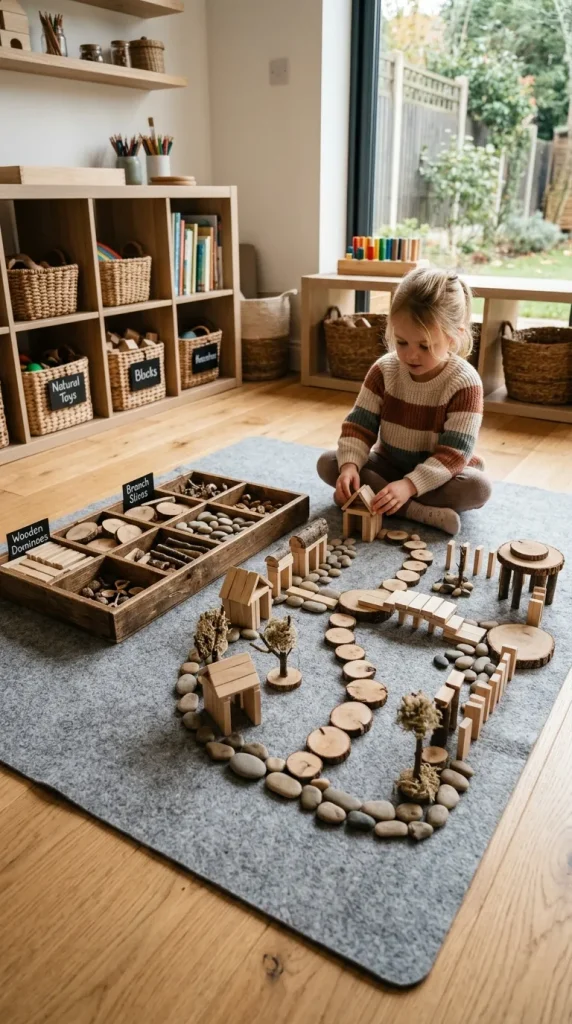
Optimize your available floor space while encouraging early engineering concepts by introducing a highly curated loose-parts construction station. Select a wide, flat-woven gray felt mat to define a distinct working boundary, placing a low-profile wooden tray filled with uniform architectural components along the edge. The tray houses raw wooden dominoes, tree branch cross-sections, cork stoppers, and flat stone river pebbles sorted meticulously by category. Children utilize these unadorned materials to construct complex, multi-level miniature village layouts, balancing shapes without the rigid snap-points of commercial plastic building blocks. This organized structural play brings a beautiful organic warmth to your home decor, challenging children to explore physics and balance through a highly artistic, open-ended presentation.
Idea 6: The Living Room Blanket Fort Conservatory (Ages 6–7)
Step-by-Step Guide
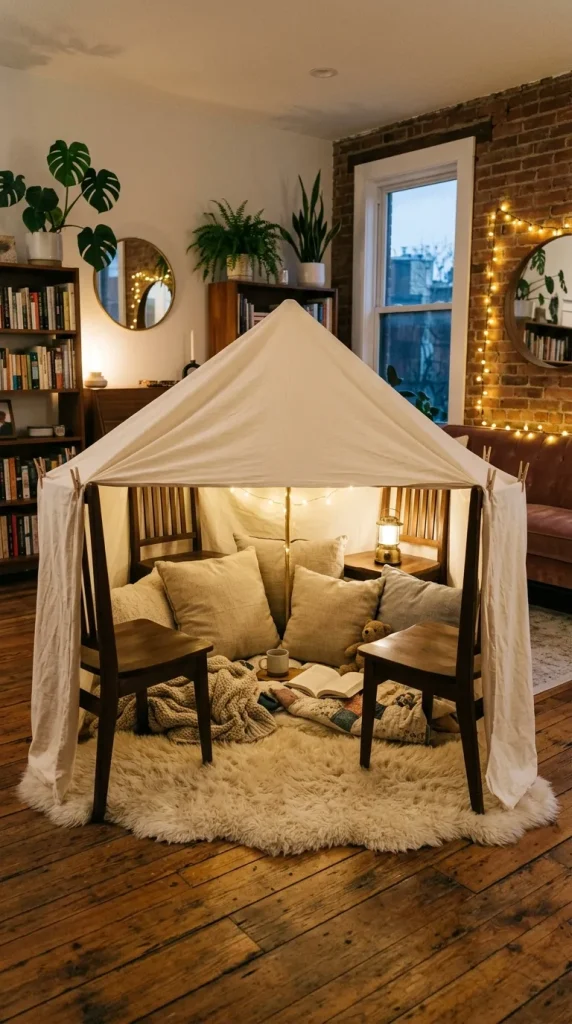
Transform a standard living room furniture arrangement into an intimate, architectural indoor campground by engineering a structured blanket fort conservatory. Position four high-backed dining chairs symmetrically in a square grid formation, leaving an exact five-foot clearance space between the bases to serve as the internal cabin. Drape a single, extra-large neutral cream white cotton king sheet smoothly across the chair tops, tensioning the fabric borders tightly before securing the edges with heavy-duty wooden clothing pins. Line the internal floor sanctuary with a thick faux-fur rug and multiple oversized plush canvas cushions to establish a comfortable reading nook. This cozy handmade project breaks up hard room lines, creating a low-stimulus escape that children can enjoy independently for hours.
Idea 7: The Stop-Motion Clay Animation Studio (Ages 7–8)
How to Make
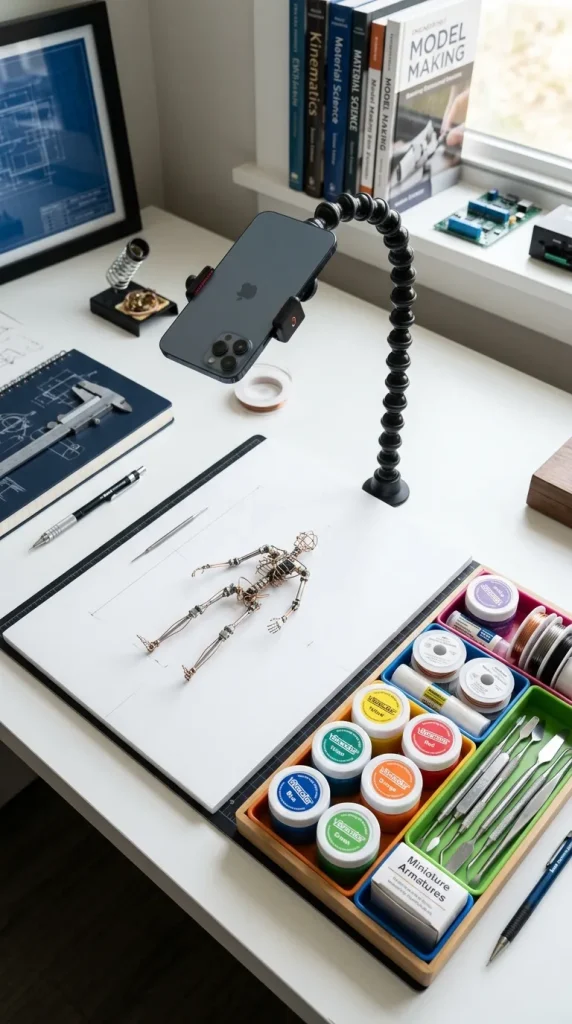
Incorporate high-tech digital storytelling and sculptural arts seamlessly into a home office desk corner by setting up a compact stop-motion animation workspace. Place a small, adjustable gooseneck smartphone tripod base firmly on the desk surface, locking the angle downward toward a flat white foam backing board. Provide a diverse toolkit of colorful, non-drying polymer modeling clay, small plastic sculpting knives, and miniature wire armature skeletons. Children sculpt their own custom characters, moving the figures incrementally by three millimeters between individual camera frames to shoot short digital films via free mobile apps. This creative project provides an incredible luxury modern design framework that transitions digital screen time into an active, hands-on engineering and filmmaking hobby.
Idea 8: The Kitchen Sink Volcanic Chemistry Lab (Ages 8–9)
Execution Process
Maintain an entirely pristine, controlled science laboratory station by shifting chemical reaction experiments directly inside the deep basin of your porcelain kitchen sink. Place a tall, clear glass cylinder vase flat in the center of the sink drain, surrounding the base with a few drops of water to anchor it. Fill the cylinder with four tablespoons of sodium bicarbonate and a single drop of liquid dish soap mixed with blue watercolor pigments. Provide a secondary beaker filled with six ounces of pure white distilled vinegar, instructing your child to pour the acid slowly into the base mixture. The resulting slow-flowing, thick blue foam erupts safely within the deep porcelain walls, draining away instantly with a quick rinse.

Idea 9: The Origami Geometric Modular Tessellation (Ages 9–10)
Setup Method
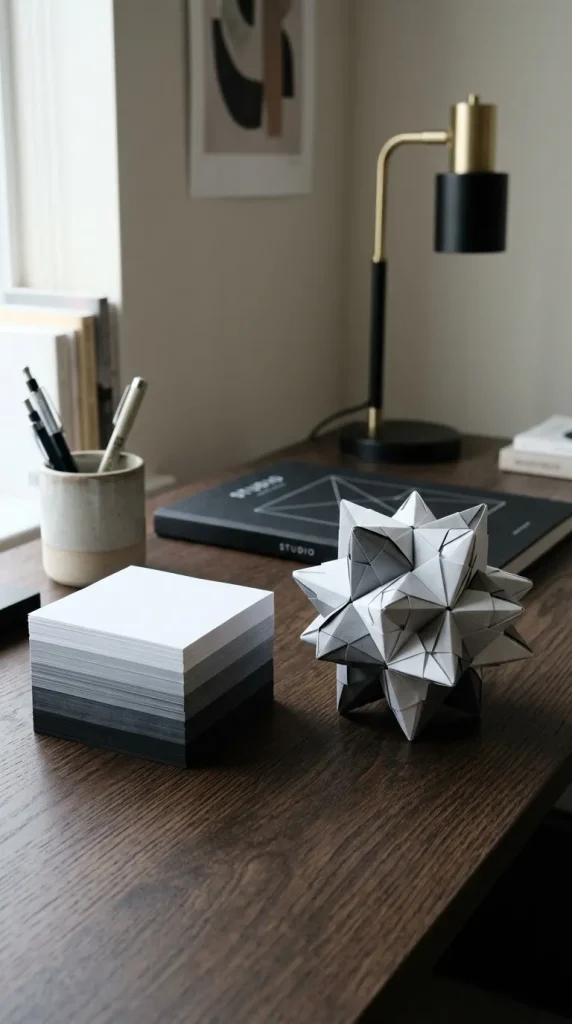
Achieve an ultra-clean, quiet focus period across your workspace by introducing the complex discipline of modular origami paper folding. Provide an organized desktop array consisting of one hundred sheets of precisely cut, three-inch square authentic Japanese origami paper in a monochromatic color gradient. Instruct older children to follow structured geometric crease lines to fold twenty identical paper modules known as Sonobe units. Once the individual paper segments are completed, children interlock the precise folded paper tabs together without using any sticky glue or tape. The process builds a gorgeous, three-dimensional geometric star polyhedron sculpture that looks like a high-end modern design ornament, perfect for display on home office shelving units.
Idea 10: The Cryptic Escape Room Laser Maze (Ages 10+)
How to Make
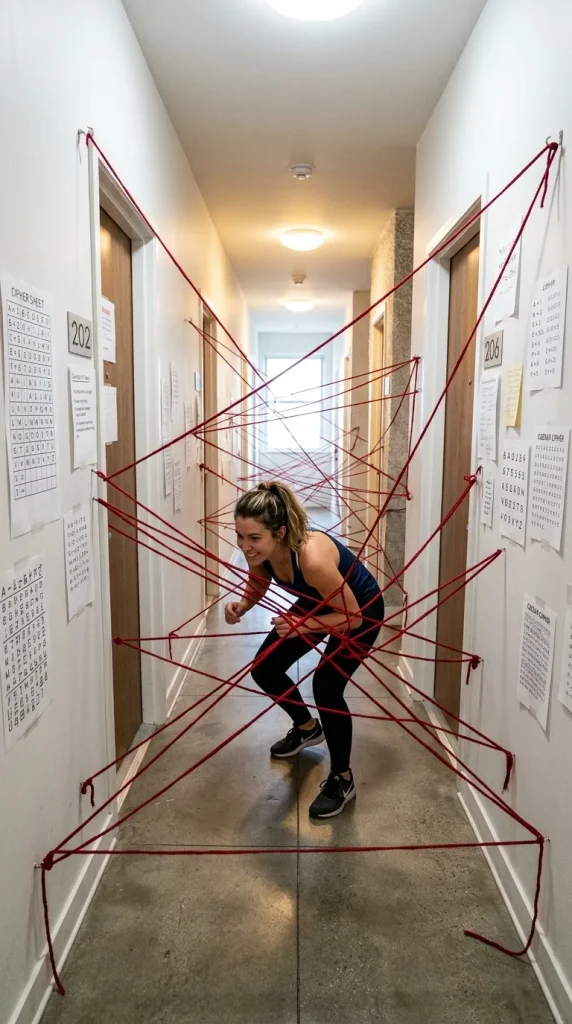
Introduce a high-energy, intellectual puzzle challenge across a long hallway corridor by constructing an intricate, multi-layered cryptic spy laser maze. Secure a long ball of thick crimson red knitting yarn to the walls using low-tack, damage-free painter’s tape anchors placed at varying heights and complex angles. Stretch the red yarn tautly across the walking path to simulate high-security laser alarms, creating obstacles that require crawling, stepping high, and careful twisting to bypass. Tape five hidden coded cipher sheets along the walls, requiring pre-teens to decode mathematical puzzles to earn the passcode to exit the corridor. This advanced layout manages physical movement and logical thinking beautifully, turning an ordinary home transit track into a cinematic adventure.
Common Beginner Mistakes and How to Avoid Them
When executing new indoor activities for kids by age ideas, parents frequently make the mistake of choosing overly complex projects that require constant parental intervention. Selecting an advanced craft or a highly sensitive chemical experiment for a toddler leads to immediate frustration, material mess, and a chaotic home environment that disrupts daily focus. Avoid this common pitfall by closely studying childhood development charts and selecting activities that line up precisely with your child’s independent motor skills and attention span. Another frequent error is setting up messy fluid tasks directly over unprotected high-value home surfaces like expensive wool carpets or raw hardwood floors. Always lay down a heavy, waterproof canvas tarp or a thick flat felt mat to define an absolute, non-porous working boundary before play begins, keeping your underlying home decor looking completely pristine.
Styling, Presentation, and Long-Term Organization Systems
Maintaining a visually beautiful living environment over time relies entirely on implementing highly structured, disciplined organization systems and clean presentation themes. Group smaller accessory items like watercolor palettes, origami paper packs, and sensory toys inside matching lidded canvas storage boxes labeled with bold text icons. Position these uniform storage units neatly onto low-profile modular wooden shelving systems placed along the border tracks of your dedicated playroom zone. Choose a unified accent color scheme across all your bins, matching your storage materials—such as using exclusively light birch wood or brushed charcoal metals—to guarantee visual harmony across your property. Keeping your active craft tools hidden away inside these closed capsules when not in use ensures your home remains functional, clean, and beautifully aligned with your broader lifestyle goals.
Creative Expansion and Advanced Inspiration
Once your primary age-appropriate indoor activity tracks function perfectly, you can explore advanced technological and design integrations to further enhance your home environment. Consider installing low-profile smart automated electronic switches that transition your localized playroom lighting from bright morning study tones to warmer evening relaxation hues automatically. You can integrate subtle, Bluetooth-enabled speakers hidden inside decorative wall art panels to stream relaxing classical acoustic tracks ambiently during quiet origami or drawing hours. Upgrading an empty playroom wall into a comprehensive magnetic pegboard workshop featuring custom hanging tool cups and modular layout baskets adds a luxurious, dynamic layer to your home decor. As your children’s cognitive capabilities mature over seasons, the modular nature of your storage bins and vertical tracks allows you to transition the space effortlessly, providing endless opportunities for ongoing design inspiration.

