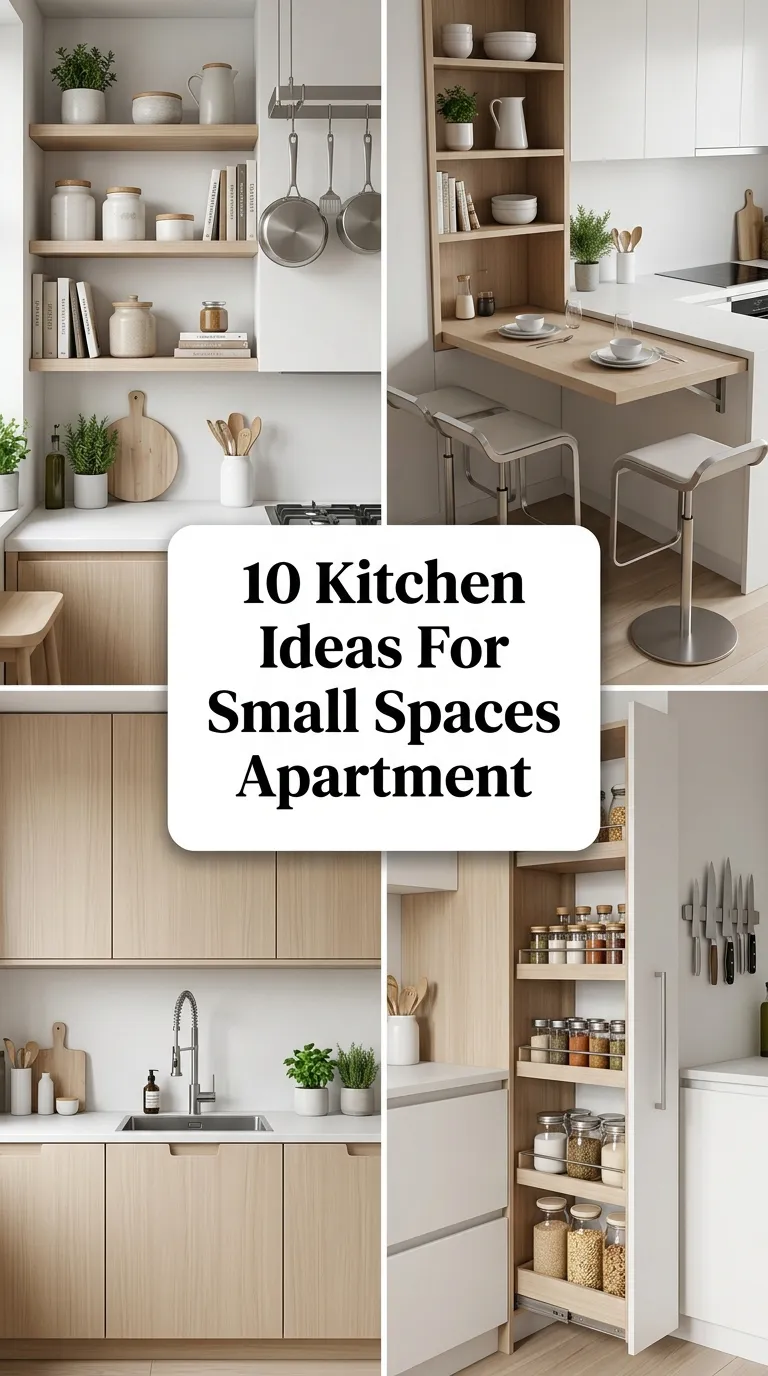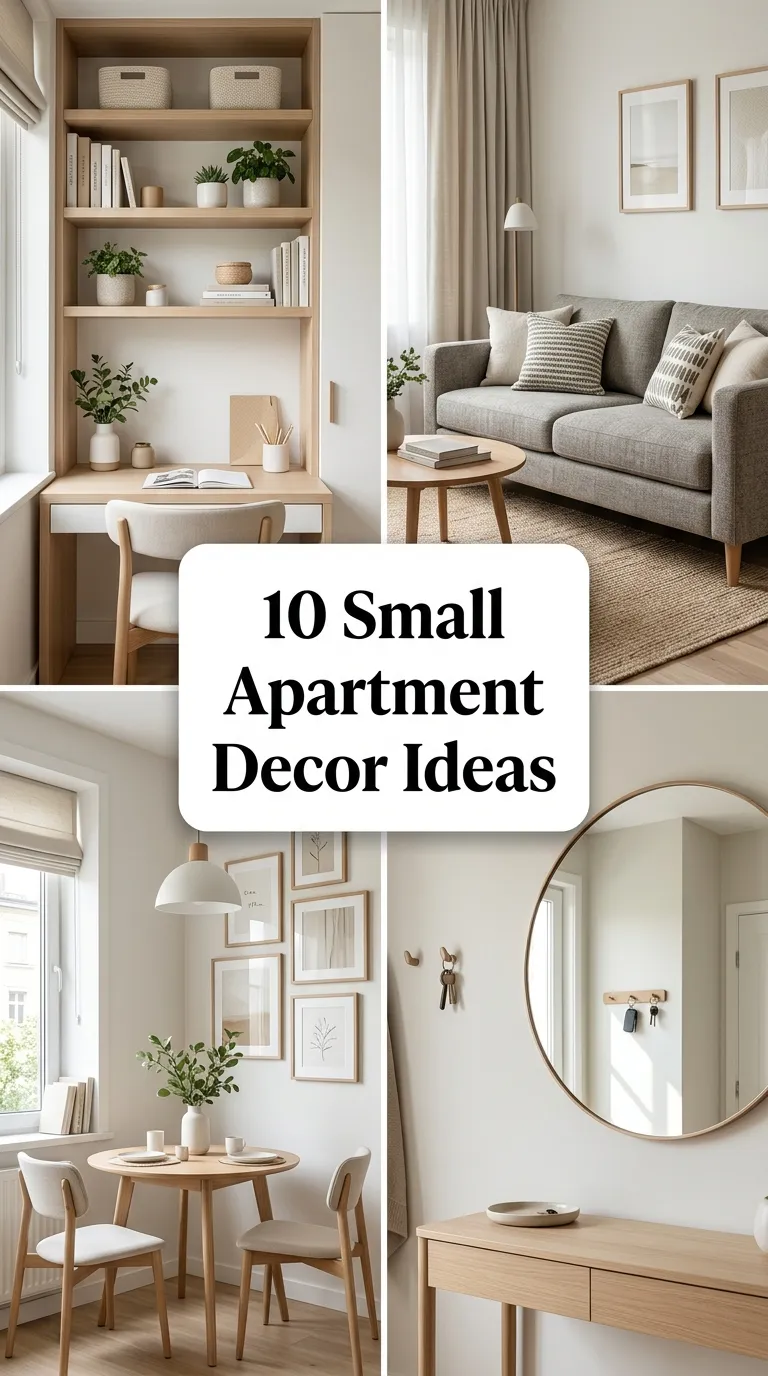
10 Small Apartment Decor Ideas
10 Small Apartment Decor Ideas
Maximizing space while maintaining an elevated aesthetic is a central challenge in compact urban living. Finding the right Pinterest ideas for home decor involves balancing functional storage with visual clarity to prevent small rooms from feeling overcrowded. This comprehensive tutorial explores how strategic furniture placement, color theory, and smart vertical storage solutions can transform any limited layout into an efficient, beautiful home. Readers will learn practical, step-by-step methods to enhance natural light, select multifunctional furnishings, and apply minimalist style principles to create an airy, cohesive environment. Implementing these creative project techniques allows apartment dwellers to optimize their floor plans without sacrificing personal style or comfort, ensuring every square foot serves a distinct purpose.
Why Compact Interior Styling is Trending
Maximizing small spaces has become a prominent modern design movement, heavily driven by the global shift toward urban apartment living and minimalist lifestyle choices. This design approach focuses heavily on practical value and DIY appeal, making it highly accessible for anyone looking for an easy project to update their living space. People actively seek trending ideas that combine budget-friendliness with high-end aesthetics, proving that a limited footprint does not require compromising on style. These concepts offer strong beginner-friendly appeal because they rely on thoughtful organization and intentional placement rather than complex, permanent structural renovations. By focusing on smart, adaptable decor pieces, individuals can easily curate a personalized, functional environment that feels both sophisticated and entirely welcoming.
Materials and Planning Considerations
Successful execution of a compact design project requires careful planning and a clear understanding of the necessary materials and tools before beginning. Essential items often include lightweight hardware, damage-free hanging strips, measuring tapes, and basic assembly tools to ensure a smooth setup process. Proper preparation involves accurately mapping out the dimensions of each room to prevent purchasing oversized furniture that disrupts the overall flow. It is crucial to consider the architectural boundaries of a rental space, prioritizing non-permanent alterations and modular elements that offer flexibility. Selecting a cohesive palette of high-quality materials, such as light woods, reflective glass, and breathable textiles, establishes a strong foundation for the entire creative project.
Idea 1: Floating Vertical Bookcases
How to Create
Transforming empty wall segments into functional storage is an excellent way to free up valuable floor area in a narrow living room or hallway. Begin this easy project by selecting a solid timber or lightweight composite wood shelf unit designed specifically for vertical wall mounting. Use a reliable stud finder to locate the structural supports behind your drywall, securing the mounting brackets firmly with a level to guarantee a perfectly straight alignment. Arrange your literature collection alternating between vertical stacks and horizontal rows, leaving intentional open pockets for small potted trailing plants or ceramic objects. This arrangement introduces a dynamic visual rhythm that draws the eyes upward, creating the illusion of higher ceilings while providing a practical organization solution. Keeping the shelf color matching the wall paint creates a seamless, built-in appearance that aligns beautifully with modern minimalist design.

Idea 2: The Multi-Functional Storage Ottoman
Setup Method
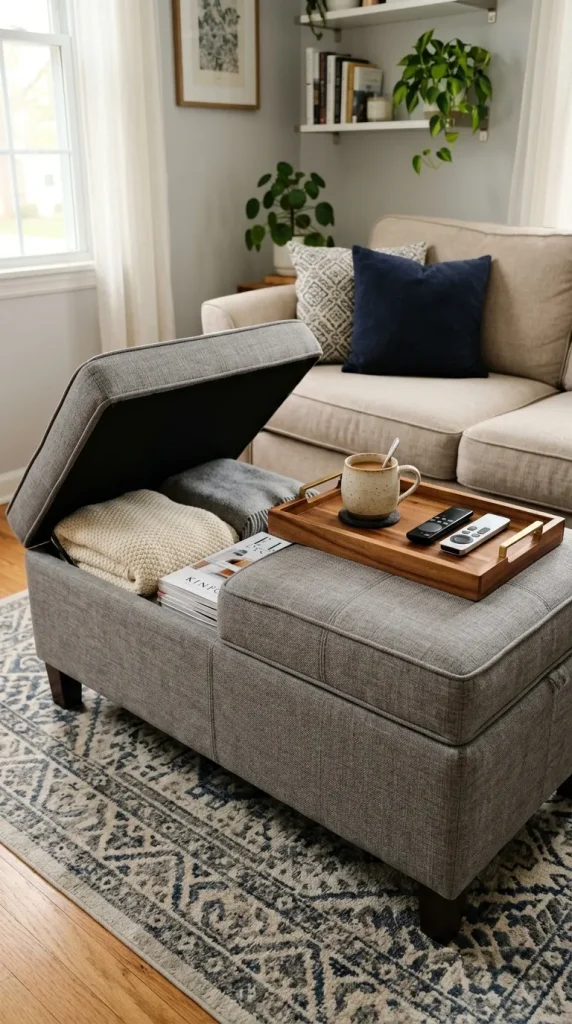
Integrating furniture pieces that serve dual purposes is a fundamental strategy when optimizing a high-traffic compact living zone. Select a structured, upholstered storage ottoman covered in a durable textile like linen or woven canvas that complements your primary seating arrangement. Position this piece centrally to serve as a comfortable footrest, an extra seat for guests, or a low-profile coffee table when topped with a flat wooden tray. Utilize the hidden internal compartment to neatly store bulky seasonal blankets, board games, or extra accent pillows that would otherwise clutter open surfaces. This hidden storage system ensures that essential everyday items remain highly accessible while keeping them completely out of sight to preserve a clean look. Opting for a model with raised, tapered legs adds a sense of openness by allowing light to pass underneath the frame.
Idea 3: Strategic Mirror Walls
Execution Process
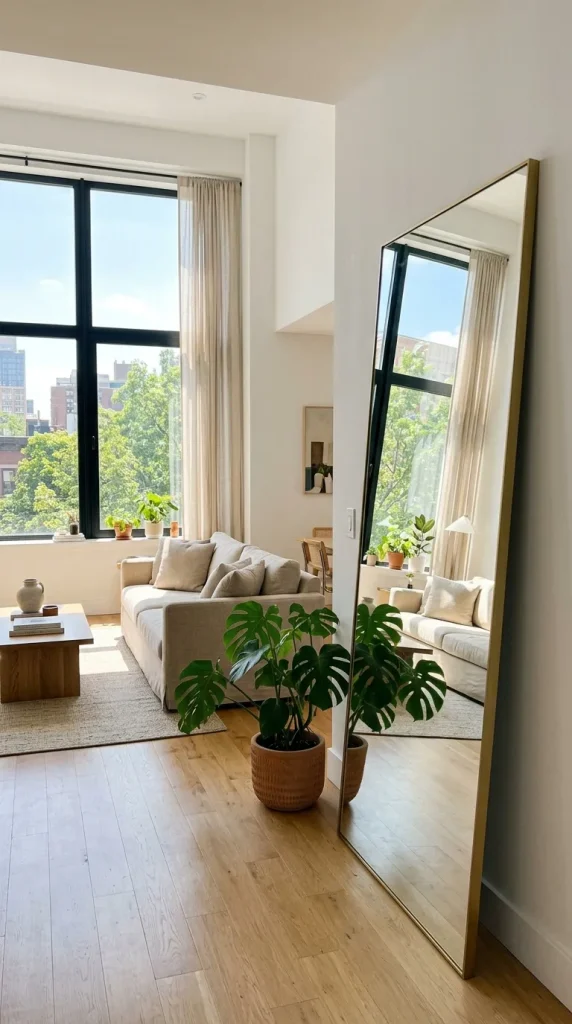
Using large reflective surfaces is a classic interior design technique used to instantly double the perceived depth of a restricted room layout. To execute this creative project successfully, source a tall, full-length mirror with a slim metallic or understated wooden frame that matches your bedroom or living room aesthetic. Position the mirror directly across from or adjacent to your primary window to capture the incoming natural light and bounce it throughout the space. Secure the top safely to the wall using heavy-duty anchor screws to prevent tipping, or flush-mount a series of modular mirror panels for a sleek finish. The reflection creates a powerful illusion of an expanded floor plan while significantly brightening up darker corners without adding extra electrical light fixtures. This simple structural addition serves as an elegant focal point that elevates the overall sophistication of the entire apartment.
Idea 4: Dropped Leaf Dining Surfaces
Step-by-Step Guide
A permanent, full-sized dining table often blocks essential walking paths in a small apartment kitchen or combined living-dining area. Solve this layout challenge by installing a wall-mounted drop-leaf table crafted from solid oak or a clean white laminate material. Carefully measure the optimal dining height, typically around thirty inches from the ground, and secure the heavy-duty folding brackets directly into the wall studs. When the table surface is fully extended, it comfortably accommodates two to three people for meals or functions as a spacious workspace. After use, simply disengage the support brackets to drop the table flat against the wall, instantly restoring valuable floor space for daily movement. Pair this setup with lightweight, stackable wooden chairs that can be neatly tucked away in a closet or hung on decorative wall hooks when idle.

Idea 5: Under-Bed Modular Rolling Bins
Organization Process
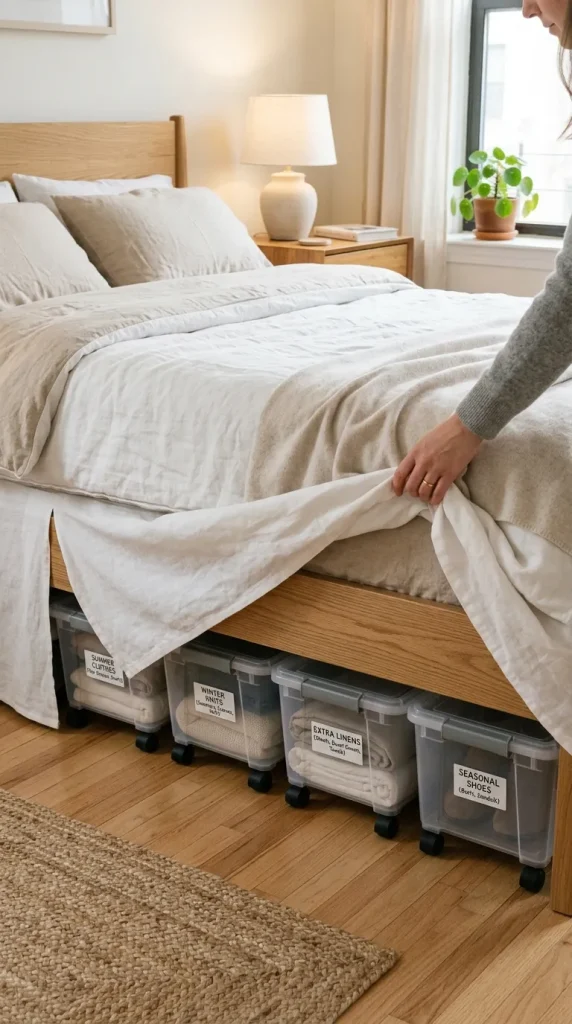
The expansive area beneath a standard bed frame represents one of the most underutilized storage opportunities in a small apartment bedroom layout. Maximize this hidden footprint by sourcing shallow, modular storage bins equipped with smooth-gliding multidirectional wheels and secure, dust-proof lids. Sort your off-season wardrobe items, extra bed linens, or heavy winter footwear into separate containers, labeling each clearly for efficient future retrieval. Carefully slide the organized bins under the bed frame, ensuring they are pushed back far enough to remain entirely concealed by a tailored linen bed skirt. This method effectively clears out valuable bedroom closet space, allowing your daily clothing collection to hang freely without overcrowding the wardrobe rails. Utilizing rolling bins guarantees easy access to your belongings while maintaining a completely clutter-free and relaxing sleeping environment.
Idea 6: Acrylic Accent Furniture
Styling Method
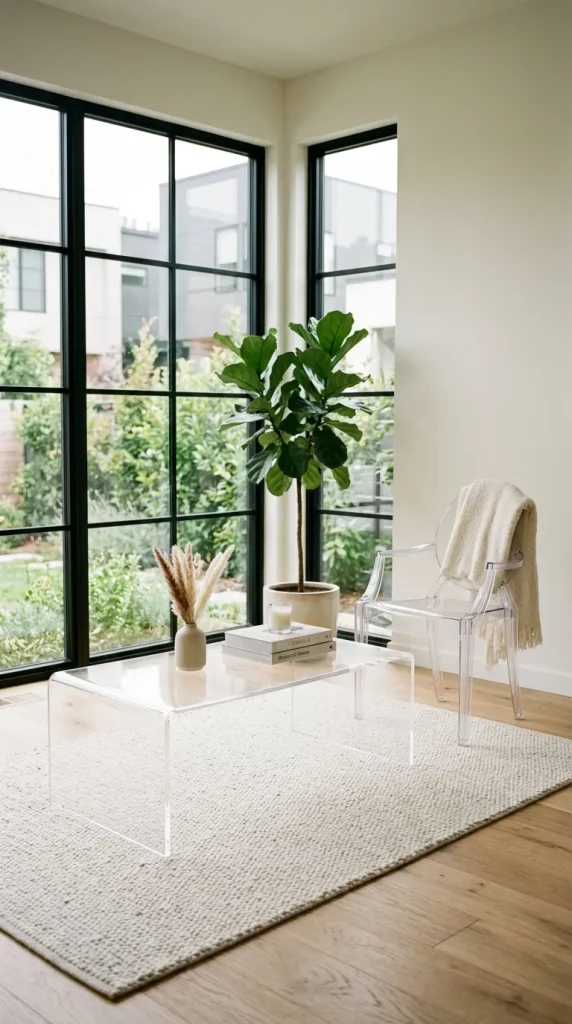
Solid, dark furniture pieces can visually block a room, making a small floor plan feel heavily restricted and enclosed. Replacing traditional wooden coffee tables or side chairs with high-quality, clear acrylic or polycarbonate alternatives instantly lightens the visual load of the room. Position a transparent acrylic console table along a narrow entryway wall or behind a sofa to serve as a sleek surface for keys and small decorative items. Because light passes directly through these transparent structures, the furniture seems to disappear into the room, preserving open sightlines across the entire apartment floor plan. Pair these modern minimalist style elements with a soft, textured area rug underneath to ground the layout without disrupting the feeling of continuous space. This approach provides necessary surface functionality while maintaining an incredibly bright, open, and airy indoor atmosphere.

Idea 7: Ceiling-Mounted Textile Dividers
Installation Method
Creating distinct functional zones within a single studio apartment layout is essential for establishing a comfortable, organized living environment. Achieve non-permanent division by mounting a low-profile aluminum curtain track directly into the ceiling substrate to separate the sleeping area from the living space. Hang lightweight, semi-sheer linen floor-to-ceiling drapery panels that block direct views without completely cutting off the natural light flow between sections. Pull the fabric panels completely closed during the evening to create a private, cozy bedroom sanctuary that feels entirely separate from the rest of the apartment. During daylight hours, slide the curtains back to the sides to immediately reopen the entire floor plan and maximize spatial illumination. This flexible architectural solution provides structural division without the heavy expense or permanent commitment of constructing physical drywall barriers.
Idea 8: Pegboard Culinary Storage
How to Make
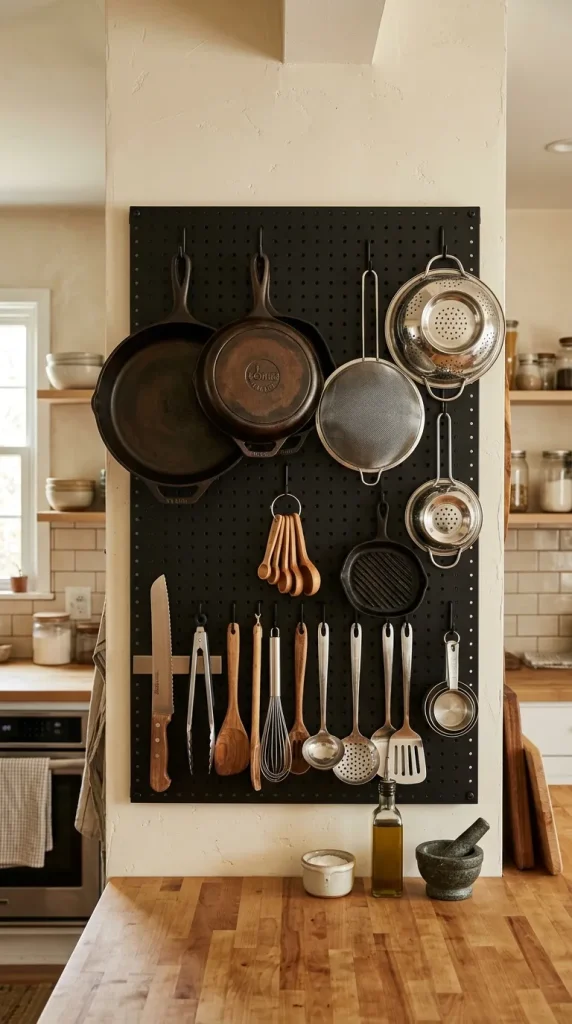
Limited kitchen cabinetry often leads to overcrowded countertops, reducing the available food preparation workspace. Install a large, heavy-duty wooden or matte-finished metal pegboard onto an unused kitchen wall section to create a highly adaptable vertical storage hub. Secure the primary board using sturdy wall spacers to ensure there is adequate clearance behind for the mounting hooks to fit properly. Hang your most frequently used cast-iron skillets, stainless steel colanders, measuring cups, and wooden cutting boards onto individual heavy-duty hooks. Arrange the culinary tools by size or frequency of use, creating a balanced and visually organized display that celebrates functional kitchen items as home decor. This handmade organization method clears out cabinet shelves for dry goods while keeping your essential cooking equipment within arm’s reach.
Idea 9: Floating Window Sill Desks
Setup Method
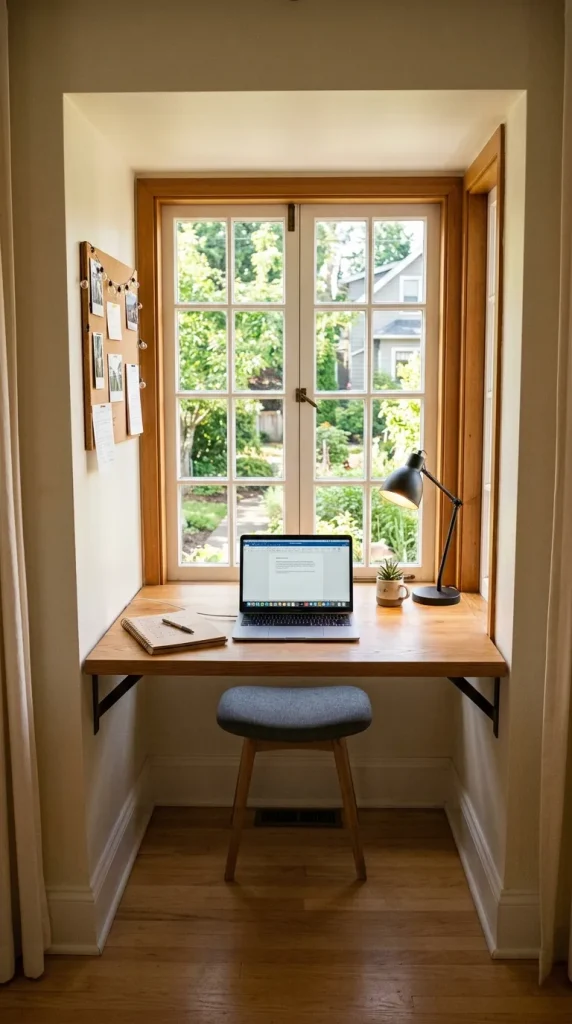
Carving out a dedicated home office area in a compact apartment requires looking closely at existing architectural features, such as deep window alcoves. Transform a standard window sill into an inspiring, space-saving workstation by extending the ledge with a finished piece of sanded timber. Support the extended wooden desktop with sleek, minimalist iron brackets anchored firmly into the wall structure beneath the window frame. This positioning provides a beautiful view and abundant natural light during the workday, boosting daily productivity and general well-being. The floating design eliminates the need for bulky desk legs, leaving the floor completely clear for a slide-under ergonomic office stool. Managing electronics with adhesive cable clips attached to the underside of the wood keeps power cords hidden and maintains a streamlined appearance.
Idea 10: Elevated Plant Pedestals
Decoration Process
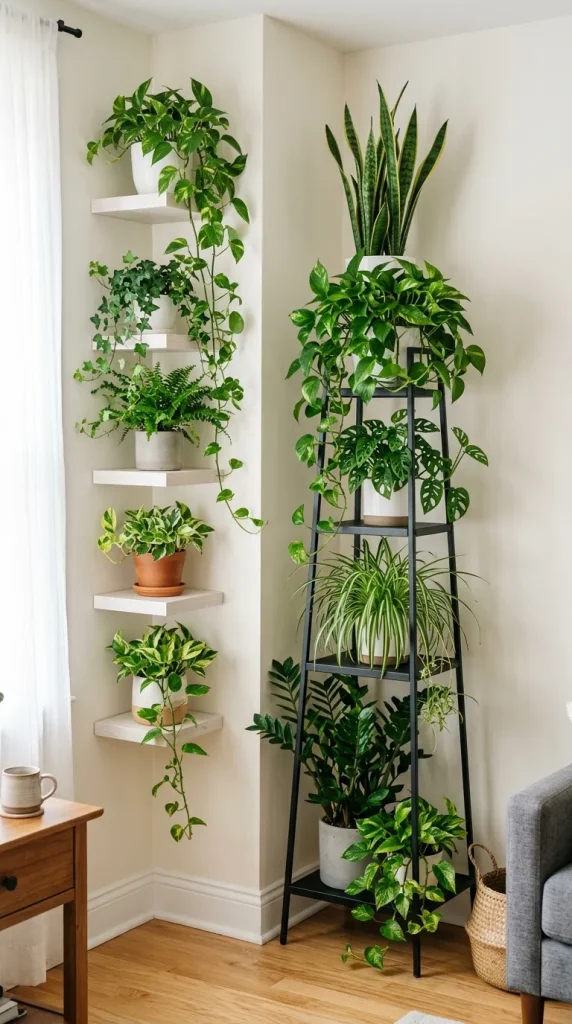
Bringing natural greenery indoors enhances an apartment’s freshness, but clustering plant pots on tables or the floor quickly consumes valuable functional surfaces. Utilize tiered metal plant stands or staggered, wall-mounted floating wood corbels to display your indoor botanical collection vertically. Position the highest shelves near natural light sources to accommodate sun-loving varieties like pothos, string of pearls, or vibrant cascading ivy. Arranging plants at varying heights draws the eye upward, highlighting the room’s vertical volume rather than focusing on the limited square footage of the floor. This green installation adds natural texture, organic shape, and color variation to a neutral color scheme without cluttering essential tabletops or blocking walking paths. Choosing clean ceramic pots in a single color keeps the vertical garden looking intentional, cohesive, and perfectly curated.
Common Beginner Mistakes and How to Avoid Them
When decorating a small apartment, beginners frequently make the mistake of purchasing numerous small-scale furniture pieces thinking it will save space. In reality, clustering too many small items across a single floor plan creates a fragmented visual environment that makes a room feel cluttered and chaotic. It is far better to invest in a few full-sized, high-quality statement pieces that fit the dimensions of the room perfectly. Another frequent oversight is ignoring vertical space, leaving walls empty while overcrowding the floor area with low storage units. Additionally, blocking natural light pathways with heavy, dark window treatments instantly reduces the perceived scale of any interior space. Avoid these design missteps by selecting multi-functional furniture, utilizing wall-mounted shelving systems, and choosing airy, light-filtering window fabrics that maximize brightness.
Practical Tips for Better Results
Achieving excellent design results in a limited living environment requires maintaining a disciplined approach to everyday organization and editing. Implement a strict policy where every item in your home has a designated storage location, ensuring surfaces stay clear after daily use. Utilize uniform storage containers, such as matching woven baskets or identical clear glass jars, to minimize visual noise on open shelving units. Incorporating a light, cohesive color palette across adjacent rooms creates a seamless transition that makes the entire apartment feel much larger. Keep major furniture pieces close to the wall color to reduce high contrast boundaries that break up spatial continuity. Regularly assessing your belongings and removing items you no longer use prevents clutter from gradually taking over your carefully planned design layout.
Styling, Presentation, or Organization Ideas
The final styling layer of a compact apartment requires a careful balance between decorative personal accents and functional, organized design. Group small display items like candles, ceramics, and books in odd numbers on flat trays to keep them looking cohesive rather than scattered. When choosing artwork, pick one or two large, impactful framed prints rather than creating a busy gallery wall with many small frames. Introduce rich textures through soft linen pillows, chunky knit throws, and natural woven jute rugs to add warmth without using bright, overwhelming colors. Lighting plays a major role in how large a space feels, so place warm lamps in dark corners to draw the eye outward. Keeping coffee tables and counter surfaces partially open maintains a clean, balanced look that highlights the apartment’s architectural lines.
Budget or Time Planning
Executing an apartment styling update is highly manageable when you break the project down into clear, organized phases over a few weekends. Start by measuring your spaces and creating a detailed furniture layout map, which prevents costly ordering mistakes and saves hours of adjustments. Allocate your budget toward foundational pieces that get daily use, such as a comfortable storage sofa or an adjustable dining solution. Smaller decorative projects, like hanging floating shelves or installing kitchen pegboards, can be completed affordably using basic hardware store materials. Spacing out your purchases allows you to find quality pieces that fit your style perfectly without overspending all at once. Taking a gradual approach ensures your home decor comes together naturally, resulting in a highly functional and beautifully personalized living space.
Creative Expansion and Advanced Inspiration
Once the foundational layout of your small apartment is optimized, you can explore advanced design concepts to add unique character. Consider painting architectural features, like an entry alcove or a window frame, a subtle contrasting tone to create an elegant sense of depth. Installing custom floor-to-ceiling cabinetry that wraps around doorways provides an incredible amount of storage while looking like an integrated part of the building. Incorporating smart home automation, such as remote-controlled motorized blinds or integrated ambient LED channel lighting, enhances daily comfort and modern functionality. Layering premium materials like brushed brass hardware, honed marble coasters, and architectural lighting fixtures creates an upscale, curated look. These sophisticated details show that with thoughtful planning, a small apartment can become a highly luxurious, efficient, and beautifully designed home.