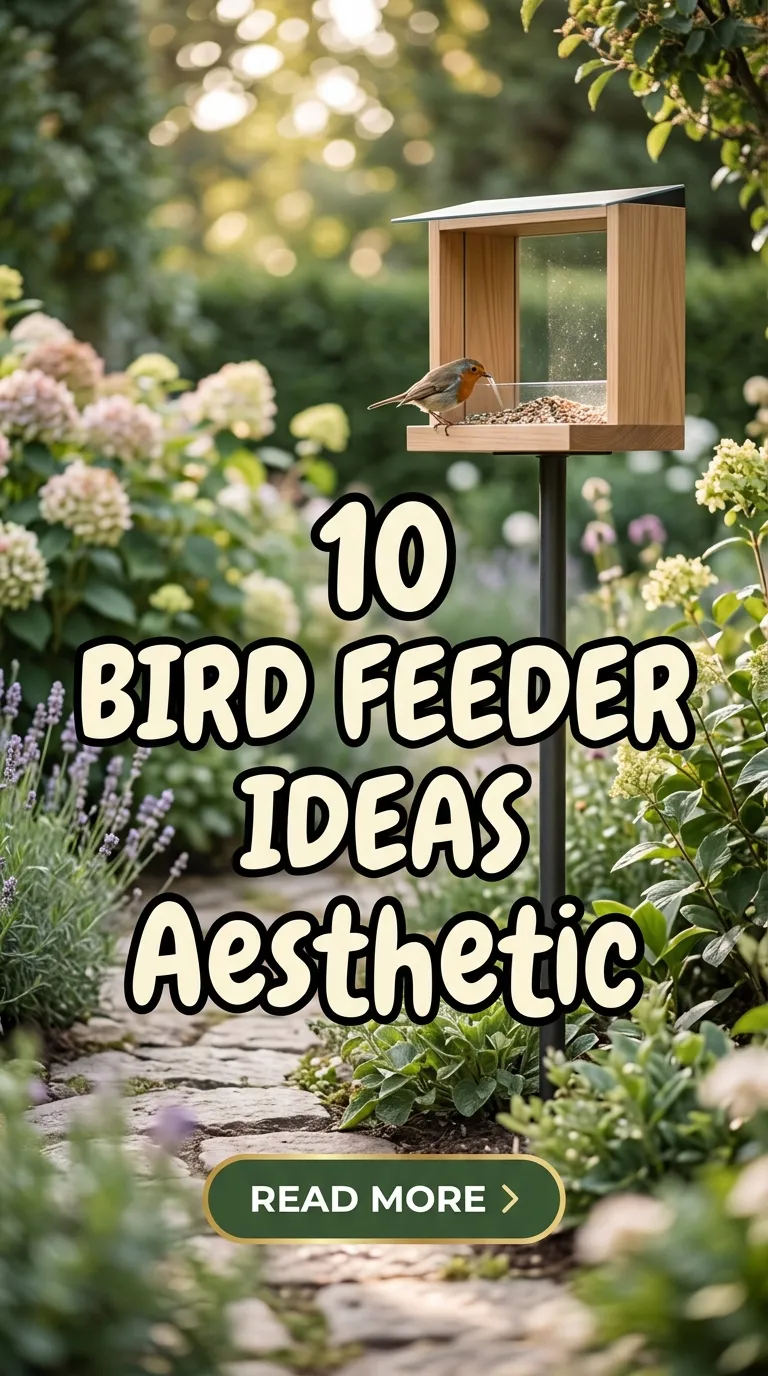
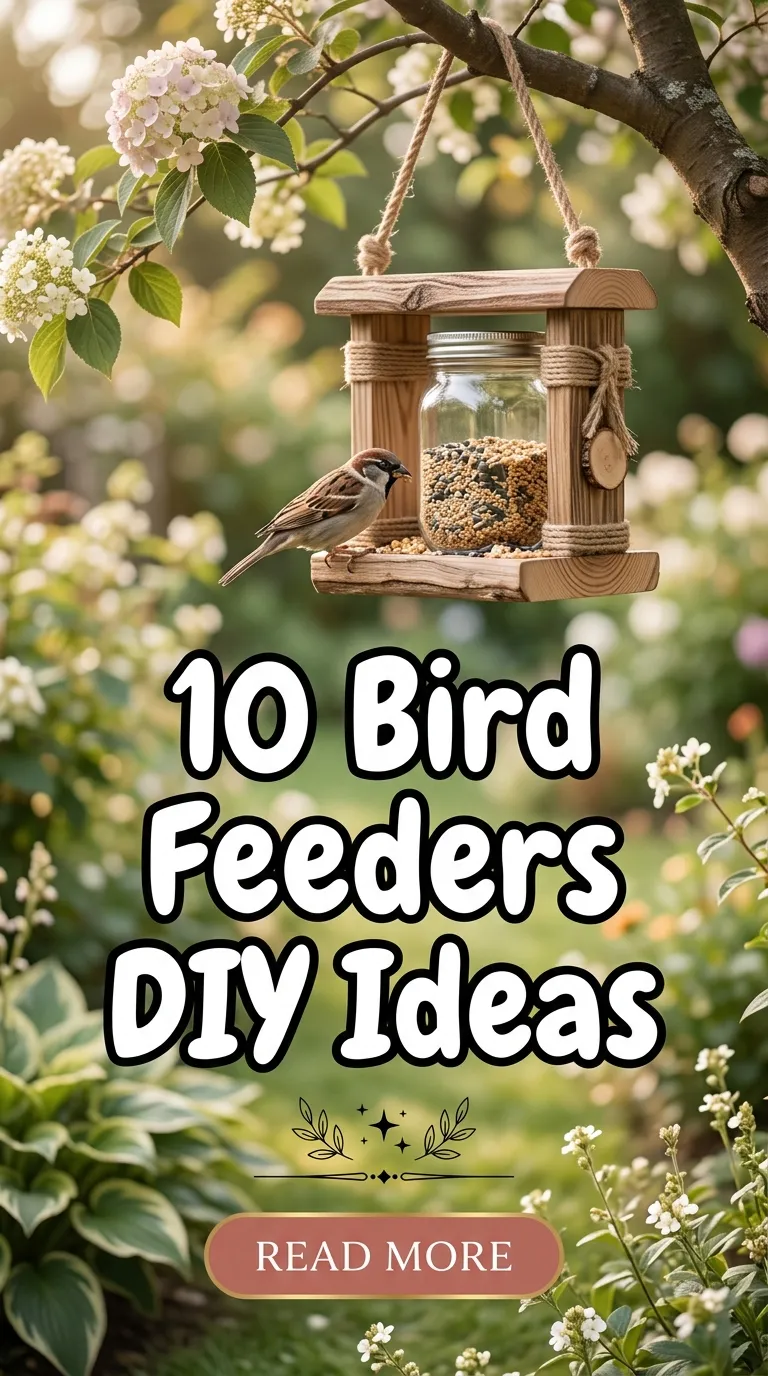
10 Bird Feeders DIY Homemade Ideas

Bird Feeders DIY Homemade Ideas
Integrating handmade wildlife fixtures into your backyard layout represents an excellent strategy for supporting native bird species while optimizing your outdoor home decor. On popular visual platforms like Pinterest, localized avian project configurations serve as critical blueprints for converting standard, monotone gardens into highly dynamic and interactive natural habitats. Readers will learn how to select safe building components, utilize standard hand tools, apply non-toxic weatherproofing treatments, and execute reliable structural hanging methods. Understanding the unique feeding habits and physical safety requirements of different wild birds allows property owners to construct highly targeted, effective yard installations. This comprehensive tutorial delivers ten practical homemade construction layouts that function as highly accessible outdoor upgrades, regardless of your current carpentry background. By prioritizing durable textures and clean geometric forms, these creative ideas transform everyday household objects into refined pieces of functional landscape decoration that align seamlessly with contemporary modern design principles.
Modern exterior design places considerable emphasis on low-maintenance, sustainable backyard accents that introduce color, shape, and animation without requiring expensive architectural renovations. Specialized homemade bird feeding systems have emerged as popular trending ideas because they resolve common landscape layout limitations, such as empty bare walls, uninspired fence lines, or unutilized high vertical spaces. The practical value of constructing a tailored, custom-built feeding station lies in its high efficiency, keeping seed matrices clean, dry, and secure from larger ground predators. For beginners, executing a basic upcycled assembly provides an exceptionally manageable DIY project that introduces high aesthetic value with a low manual investment. This disciplined method pairs direct visual interest with essential environmental utility, offering excellent planning guidance for long-term garden organization and seasonal land customization. Implementing these creative project techniques allows individuals to personalize their outdoor scenery effectively while supporting a sleek, high-end presentation across the property.
Successful execution of an outdoor wildlife project depends entirely on precise material preparation and collecting the appropriate construction tools before initiating any physical assembly steps. Required materials and tools generally include untreated cedar or pine scraps, empty glass jars, heavy-duty jute twine, non-toxic water-based clear coats, variable-speed cordless drills, fine-tooth hand saws, and waterproof wood glue. Planning considerations must strictly prioritize the physical health of local avian populations, meaning all paints, stains, and mechanical adhesives must remain entirely restricted to external surfaces where food particles do not touch. Sanding rough timber components removes sharp splinters and opens up the grain texture to ensure optimal mechanical adhesion of subsequent protective topcoats. Cleaning out recycled glass or metal containers thoroughly with white vinegar, mapping out structural balance points, and pre-drilling hardware holes prevents cracking errors and ensures a smooth, safe step by step building workflow.
1. Geometric Cedar Hopper Blocks
Step-by-Step Guide
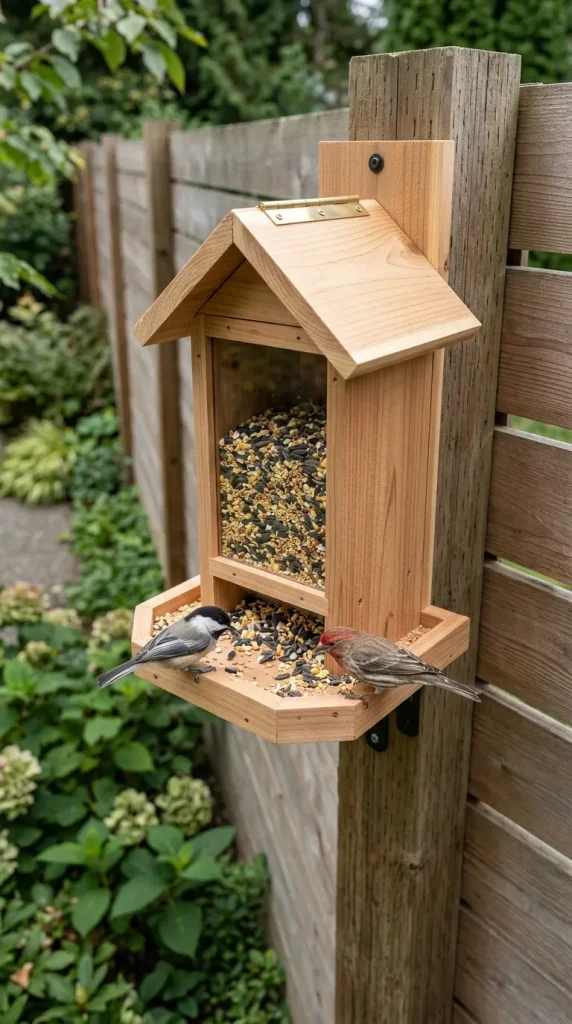
Configuring a geometric cedar hopper block involves utilizing untreated cedar scrap boards to assemble a sleek, self-dispensing seed tower that minimizes grain spoilage. To execute this creative project, cut a standard one-by-six inch cedar plank into four distinct six-inch vertical walls, angling the lower edges slightly inward to form a funnel base. Route two parallel vertical grooves into the inner faces of the side panels, sliding a thin panel of clear plexiglass into the tracks to serve as a highly transparent internal food monitoring window. Secure the wooden frame together using galvanized wood screws and waterproof glue, leaving a narrow half-inch gap at the base for seeds to spill automatically onto an attached lower cedar catch plate. Mount a pitched cedar roof panel onto a brass hinge system at the top to allow for seamless food refilling tasks. This minimalist style tower provides excellent inspiration for clean yard organization, fitting neatly onto standard fence posts.
2. Upcycled Glass Bottle Gravity Pools
Setup Method
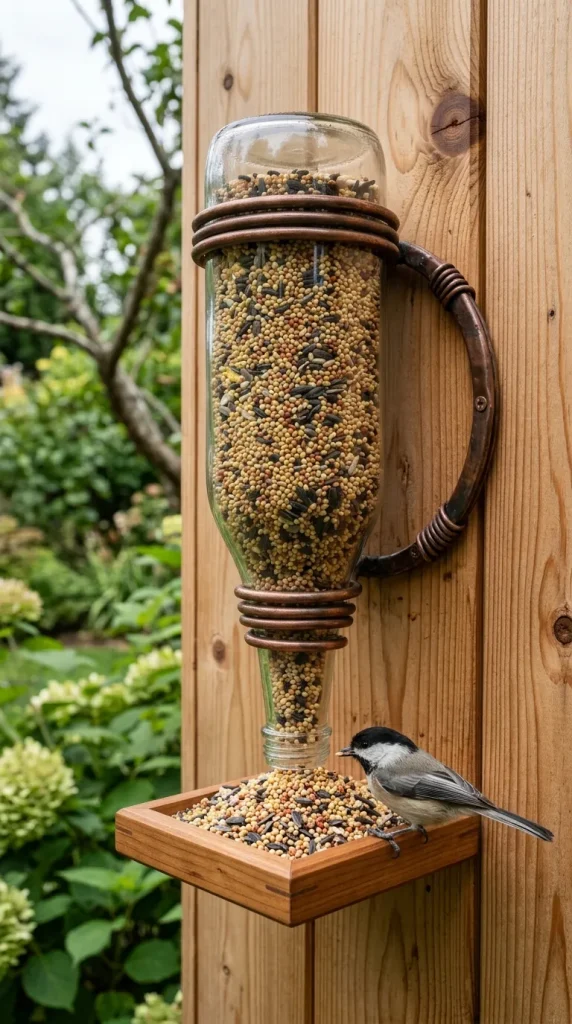
Suspending an inverted glass beverage bottle directly above a shallow wooden dish creates a highly efficient, automated gravity feeder that keeps seeds perfectly contained. Construct a narrow vertical backing plate using a ten-inch piece of stripped pine wood, attaching a curved copper wire loop near the top to hold a standard one-liter glass juice bottle securely. Fix a small, square wooden tray with a low half-inch border edge flat to the absolute bottom section of the timber backing plate. Fill the clean glass bottle fully with mixed wild bird seeds, inverting it swiftly into the copper wire housing so the open bottle neck hovers precisely one-quarter inch above the tray floorboards. The automatic seed flow stops naturally once the pile reaches the bottle mouth line, replenishing the open feeding deck continuously as visiting birds consume the food. This transparent configuration looks exceptionally modern while allowing easy level monitoring from afar.
3. Horizontal Tin Can Perch Rows
Execution Process
Repurposing empty tin food cans into an organized horizontal row of colorful feeding tubes offers a brilliant, budget friendly solution for decorating bare backyard walls. Thoroughly clean three large steel soup cans, smoothing down any sharp internal metal rims completely using a pair of heavy-duty pliers or metal files. Wrap the exterior metal cylinders tightly in thick natural jute twine, securing the fibers with a thin layer of weather-resistant clear silicone to build a high-traction surface. Insert a six-inch wooden dowel or a natural fallen birch twig horizontally into the lower open cylinder cavity, extending it three inches outward to serve as an accessible landing perch. Bind the three cans side by side horizontally using a long piece of paracord, hanging the completed multi-tube matrix directly onto an empty garden wall hooks. This handmade project provides an excellent entry point for beginners, recycling household waste into high-utility decoration.

4. Mason Jar Wire Suspensions
How to Create
Utilizing a standard wide-mouth quart glass mason jar wrapped in a delicate structural wire harness creates a sleek, floating feeding capsule that catches sunlight beautifully. Wrap a length of sixteen-gauge galvanized steel utility wire firmly around the threaded neck of the glass jar, twisting the ends tightly with pliers to form a secure permanent collar ring. Extend two long wire loops upward from the collar frame along the sides of the jar, joining them three inches above the glass base to establish a balanced central hanging hook. Fill the horizontal jar half-full with premium black oil sunflower seeds, allowing the glass body to tilt forward at a gentle fifteen-degree downward angle when suspended. This floating design prevents larger nuisance animals like squirrels from gaining a stable physical foothold while providing smaller songbirds with a sheltered, weather-protected feeding pocket.

5. Floating Terracotta Saucer Beds
Setup Method
Layering two unglazed clay flowerpot saucers vertically onto a central metal support rod creates a highly architectural, double-decker platform feeding station that coordinates with ceramic planters. Select one twelve-inch and one eight-inch shallow terracotta saucer, drilling a single half-inch hole through the exact center of both clay bases using a diamond-tipped masonry drill bit running at low speeds. Thread a long, zinc-plated steel threaded rod vertically through the pre-drilled holes, separating the wider lower tray from the narrower upper roof saucer by precisely ten inches using matching hex locking nuts. Fill the wide lower terracotta deck with mixed seeds, allowing the upper clay saucer to function as a highly effective protective weather umbrella against rain runoff. Position the finished heavy assembly onto a solid iron garden stake driven deep into firm lawn soil to maintain absolute structural leveling across the space.

6. Recycled Juice Carton Cabins
Step-by-Step Guide
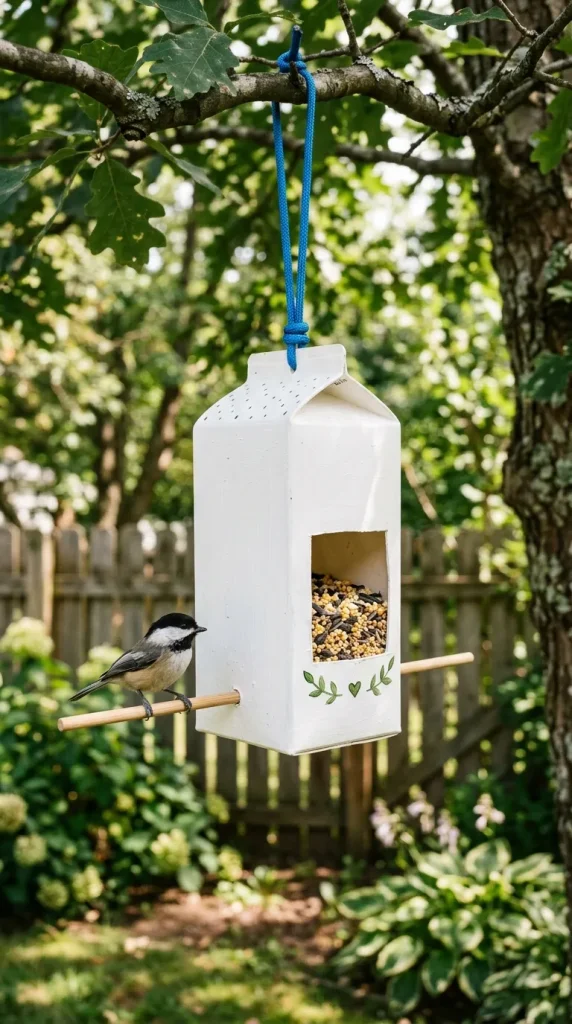
Converting a standard paperboard juice or milk carton into a functional garden cabin offers a fantastic, family-friendly craft project that requires zero specialized carpentry tools. Clean a half-gallon paper carton thoroughly, drying the interior completely before coating the exterior surfaces with a non-toxic matte white exterior acrylic paint to establish a clean canvas. Cut a wide two-inch square opening through both opposing side walls of the carton, placing the lower window lip exactly three inches above the base line to form a deep internal seed reservoir. Push a long wooden chopstick or a straight fallen branch completely through the lower walls directly beneath the window openings to serve as a dual-sided landing perch. Thread a durable nylon utility cord through the top gabled carton seal, tying a secure loop to suspend the lightweight cabin structure from a low-tree branch.
7. Natural Log Bored Suet Logs
How to Make
Utilizing a fallen oak or birch log segment to construct a rugged suet feeder provides a hyper-realistic, naturalistic installation that blends seamlessly into mature tree canopies. Source a thick, eight-inch-long section of a fallen tree branch measuring approximately three to four inches in diameter, keeping the natural mossy bark texturized exterior entirely intact. Use a cordless drill equipped with a large one-inch spade bit to bore six separate, shallow pockets one inch deep into the wood cylinder faces, spacing the cavities evenly along the sides. Fill the bored wood pockets completely with a homemade mixture of high-energy bird suet, continuous wild bird seed grains, and dried fruit bits, packing the paste tightly flush with the bark edge. Twist a galvanized steel eye screw firmly into the top terminal center of the log segment to complete the suspension mount.

8. Teacup and Saucer Post Welds
Execution Process
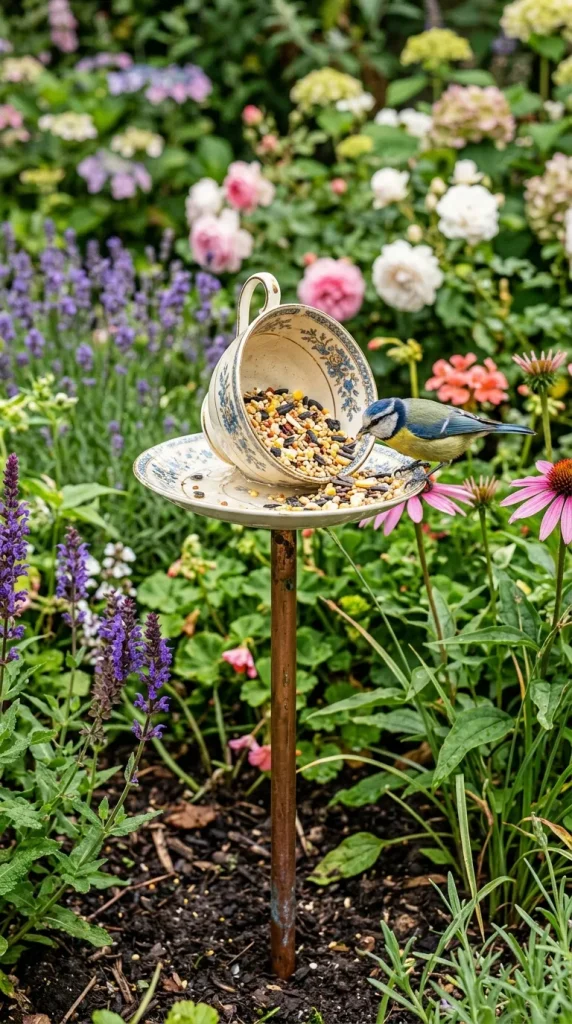
Mounting a vintage ceramic teacup and matching wide saucer combination onto a vertical post creates a delicate, whimsical feeding station that introduces historical charm to active flower beds. Scuff the glossy glazed undersides of an old porcelain teacup and saucer set slightly with fine-grit sandpaper to improve industrial adhesive bonding characteristics. Apply a generous bead of weather-resistant clear silicone epoxy to the bottom rim of the cup, pressing it firmly onto the edge of the saucer tray at a slight sideways tilt so the opening faces outward. Glue a half-inch copper plumbing pipe cap flat to the absolute bottom center of the saucer, letting the chemical compound cure completely for forty-eight hours. Slide the finished assembly onto a solid five-foot copper garden stake driven into the ground, filling the cup interior with fine seed mixes.
9. Coconut Shell Half-Hangers
Setup Method
Repurposing a raw coconut shell into a pair of natural hanging bowls provides a highly durable, rot-resistant organic feeding container that withstands intense tropical moisture. Saw a fresh, whole coconut precisely in half along its equator line using a fine-tooth hand saw, removing the inner white fruit meat entirely to leave two clean, hard woody bowls. Drill three small quarter-inch holes at equal intervals around the upper rim of a shell half, threading short lengths of natural hemp twine through the openings to form a three-point suspension harness. Bore two tiny drainage holes through the absolute lowest point of the shell bottom to prevent rainwater from accumulating and spoiling the food supply. Fill the natural organic cup with shelled peanuts or sunflower seeds, suspending the unit beneath a patio roof beam for a clean style presentation.

10. Sliding Acrylic Window Frames
How to Create
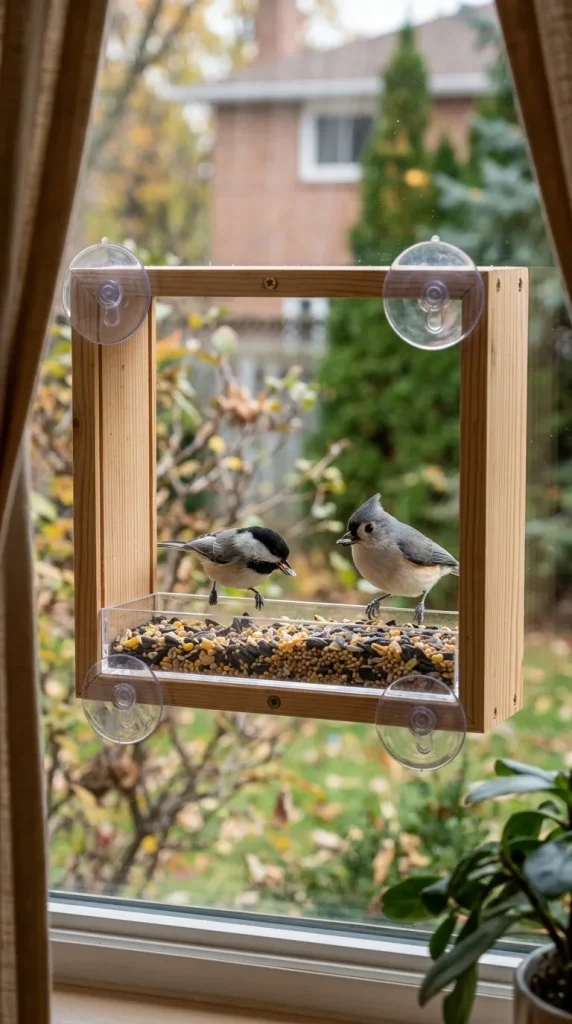
Constructing a low-profile shadowbox feeder that attaches directly to your home window pane provides unparalleled up-close bird watching opportunities while maintaining a sleek, modern design. Assemble a shallow, three-sided rectangular box frame using lightweight balsa wood or thin spruce strips, leaving the rear face completely open to expose the glass surface directly. Install a thin panel of clear acrylic along the front face to act as a protective wind barrier, securing a small wooden feeding trough at the lower base. Fix four heavy-duty silicone suction cups firmly into pre-drilled holes along the left and right wooden frame walls, pressing the completed assembly tightly against a clean exterior window pane at adult eye level. This modern project layout allows families to observe feeding behaviors closely from inside the house, creating a highly engaging educational feature.
Common Beginner Mistakes and How to Avoid Them
A primary mistake when executing homemade bird feeder projects is applying regular interior craft paints or high-VOC chemical stains to the internal components of the feeding troughs. Visiting songbirds will frequently peck at the wooden walls while gathering seeds, which can lead to the accidental ingestion of toxic paint flakes and dangerous lead residues. Restrict all color treatments and protective sealants strictly to the absolute outermost decorative panels and roof caps to keep the feeding environment completely safe over time. Another frequent error is selecting container designs that lack adequate drainage, allowing rainwater to collect inside the seed beds. Stagnant water rapidly spoils the food supply, leading to the rapid growth of dangerous mold spores that can harm avian respiratory networks. Always drill multiple small quarter-inch drainage holes through the bottom floor plate of any feeder to allow moisture to escape instantly.
Practical Tips for Better Results
Achieving lasting success with your handmade garden decorations relies heavily on establishing a consistent, highly disciplined cleaning schedule to prevent the accumulation of wildlife bacteria. Stagnant outdoor feeding stations rapidly gather organic debris, airborne dust, and bird droppings, creating a hazardous environment if left unmaintained for multiple months. Empty the contents of your seed trays completely every two weeks, scrubbing the interior surfaces thoroughly with a stiff brush and a basic solution of nine parts water to one part white vinegar. Avoid using harsh synthetic laundry detergents or commercial bleach cleaners, as dangerous chemical residues can remain trapped within porous wood matrices. Additionally, always position a small wooden stick or textured landing stone near the entrance of deeper container designs to provide a reliable foothold for smaller birds. These regular maintenance steps ensure a healthy backyard ecosystem that thrives safely.
Styling, Presentation, or Organization Ideas
Integrating your handmade bird feeders with modern design principles ensures your backyard environment looks polished, highly intentional, and visually cohesive. Choose installation materials that share a single texture family or color palette, such as pairing matching natural cedar hopper blocks with unpainted timber fence posts across the space. This visual uniformity prevents open garden layouts from looking cluttered, turning basic utility stations into attractive aesthetic features that support your overall property design theme. When arranging multiple feeders along an open pathway, employ the rule of thirds by mixing functional seed stations with low-maintenance decorative items like potted green ferns or ceramic garden benches. Keep the immediately surrounding ground area entirely clear of tall weeds or messy lawn clutter, utilizing clean cedar wood chips or dark river pebbles to frame the base of your installation beautifully.
Budget or Time Planning
Transforming your garden utility and style does not require an expensive landscape architect contract or a massive financial investment in premium construction supplies. Simple modifications like installing a recycled juice carton cabin or mounting a suspended tin can row require very low initial financial layouts while providing immediate environmental returns to the property. A standard single-basin mason jar assembly requires less than one hour of active execution time from start to finish, including surface cleaning, balancing, and hardware fastening steps. Setting aside one specific weekend afternoon allows you to tackle one or two distinct feeding zones sequentially without disrupting your daily household routines. Invest your available resources into high-quality non-toxic waterproof glues and stainless steel screws, as these active components endure the greatest amount of daily environmental exposure over multiple changing seasons.
Creative Expansion and Advanced Inspiration
Once your core backyard feeding stations are fully operational and mastered, you can elevate your landscape by incorporating advanced technical components like integrated, wireless micro-cameras. Installing a small, weather-sealed low-profile camera lens directly inside the upper roofline of a cedar hopper allows you to stream live high-definition footage of visiting wildlife directly to your smartphone device. This digital upgrade enhances your backyard viewing experience dramatically without disturbing the birds during critical feeding routines throughout the morning hours. Another progressive design concept involves adding custom mosaic pattern borders to the pitched roof surfaces of your wooden feeders using frost-resistant glass gems or broken pottery fragments fixed with exterior mortar. Exploring these unique texture changes allows homeowners to craft highly personalized garden accent pieces that perfectly balance everyday ergonomic utility with forward-thinking minimalist design trends.