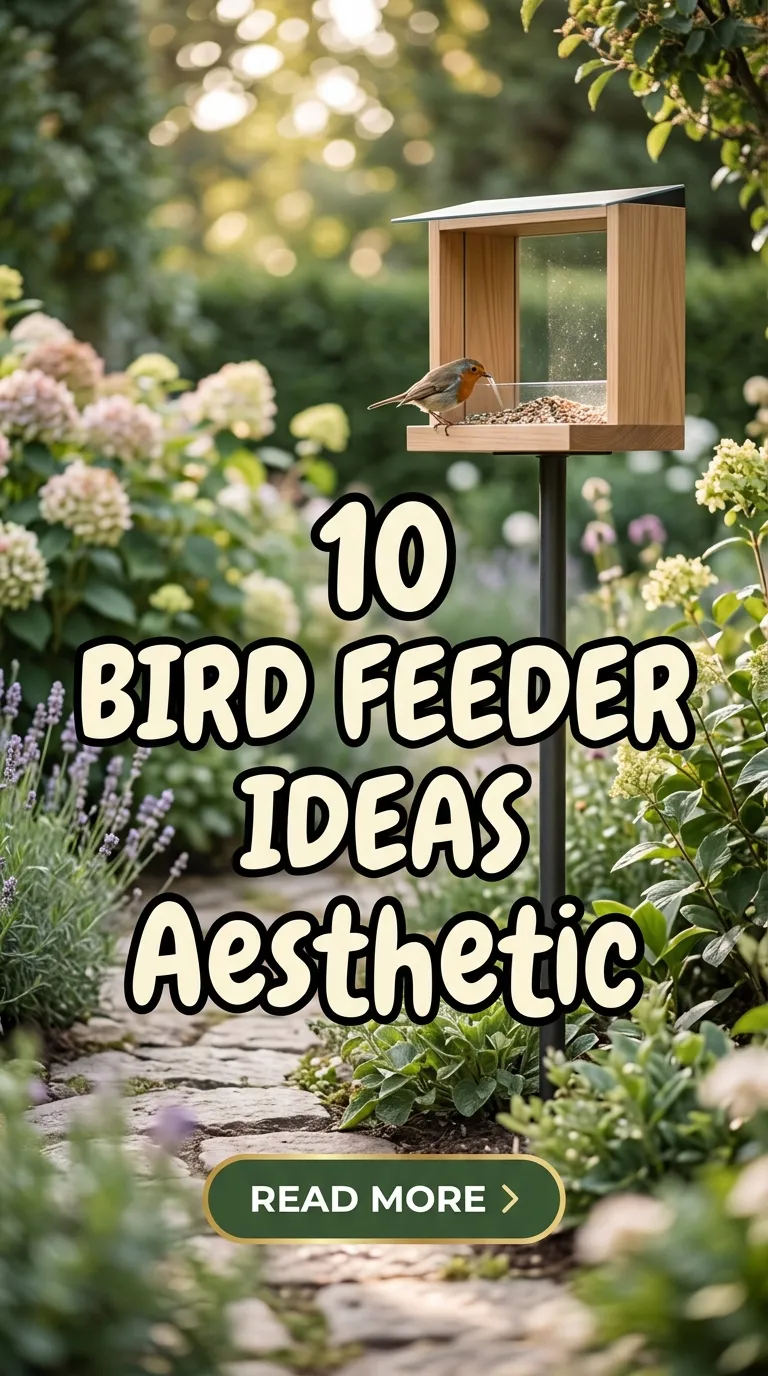
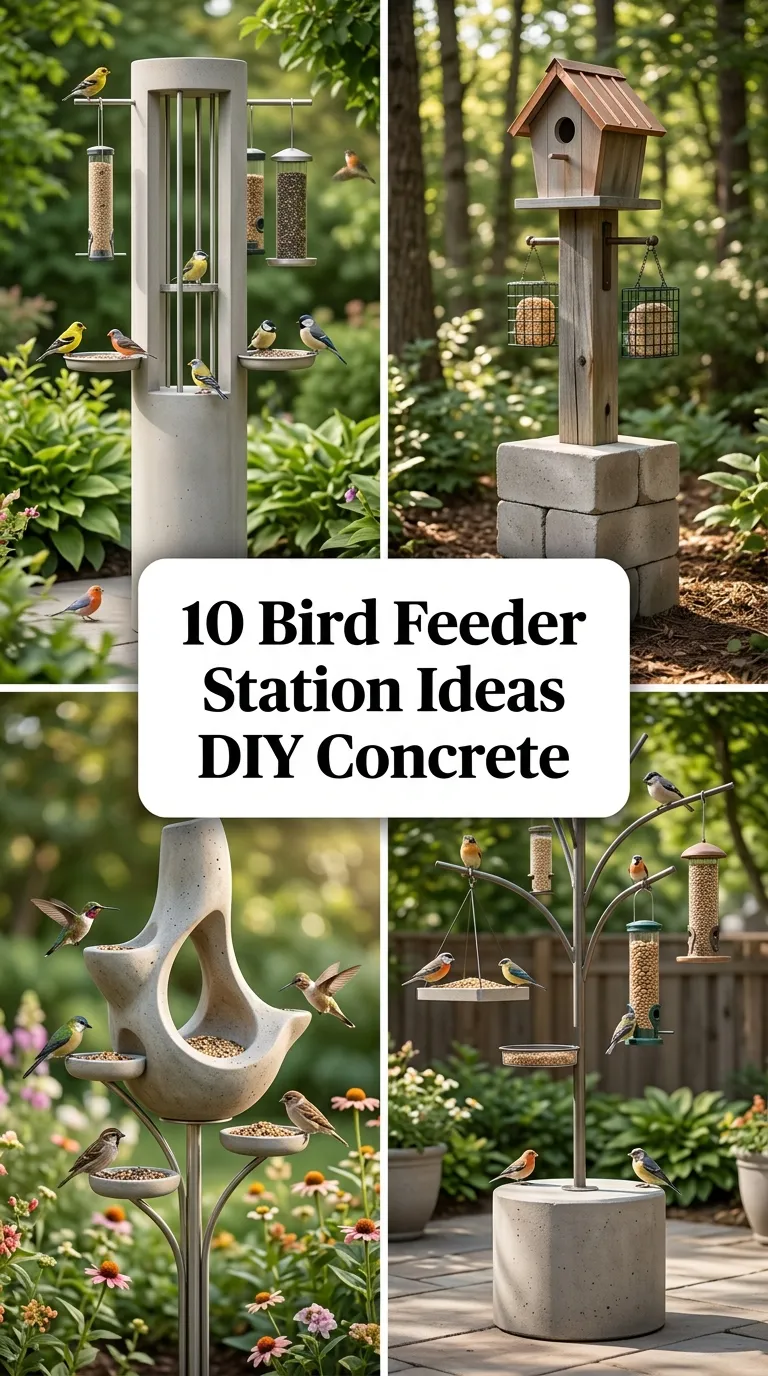
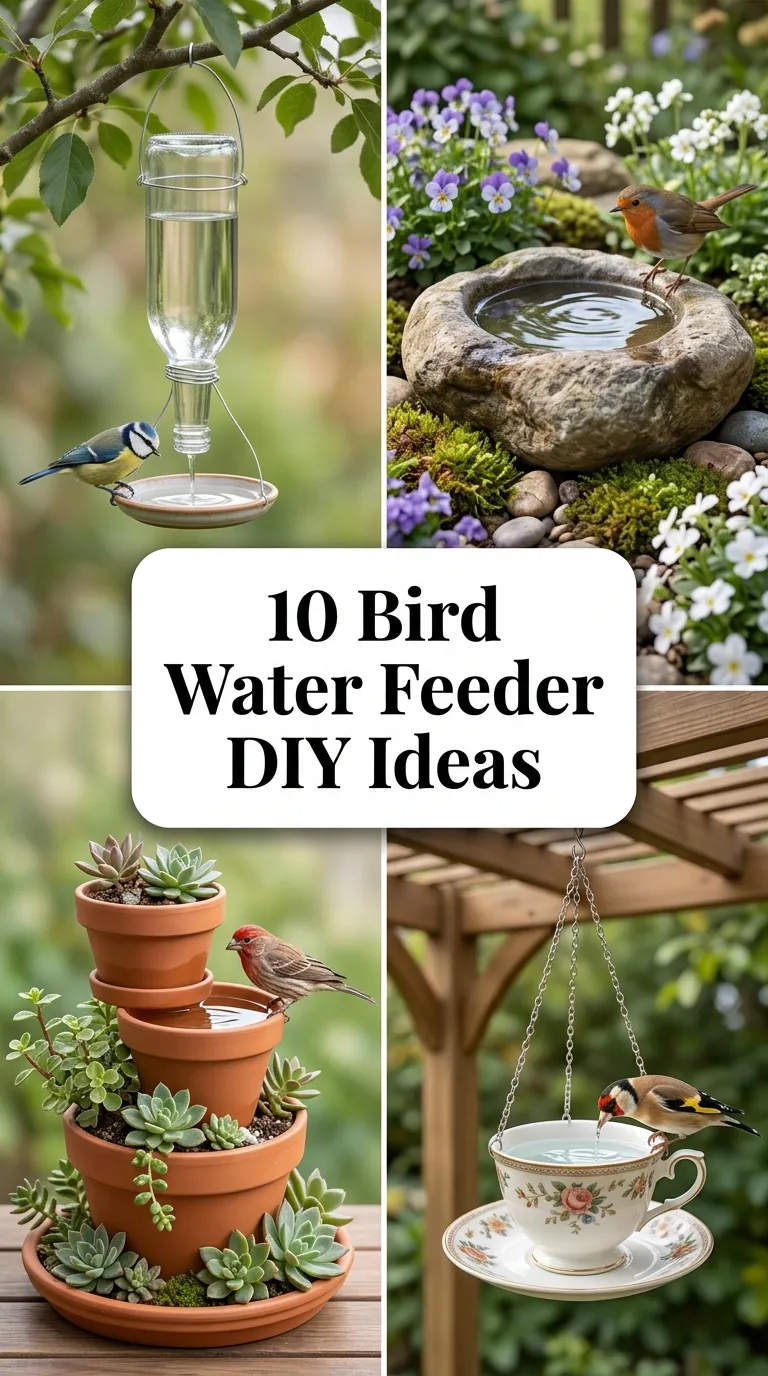
10 Bird House Feeder DIY Garden Ideas

Bird House Feeder DIY Garden Ideas
Integrating handmade avian structures into an outdoor landscape design offers a reliable method for supporting local wildlife while adding balanced visual elements to your yard. On platform galleries like Pinterest, bird house feeder combinations serve as central design resources that bridge the gap between practical environmental care and sophisticated garden planning. Readers will learn how to select raw, non-toxic materials, utilize standard woodworking tools, apply secure weatherproofing methods, and position assemblies to optimize wildlife attraction. Understanding the spatial and safety requirements of different bird species helps homeowners create functional backyard installations that protect wild birds from elements and predators. This comprehensive guide delivers ten actionable design layouts that work seamlessly as highly accessible home decor updates. By focusing on structural integrity and intentional geometric forms, these creative ideas transform plain fences and empty tree branches into dynamic architectural features that enhance your overall outdoor environment.
Contemporary exterior styling relies heavily on multifunctional, eco-friendly garden elements that introduce color, texture, and structure without requiring costly permanent renovations. Specialized bird house feeder configurations have emerged as trending ideas because they resolve common landscape design challenges, such as uninspired bare walls, dull fence boundaries, or monotone green lawns. The practical value of constructing a custom, dual-purpose avian hub lies in its high efficiency, providing essential feeding stations alongside secure nesting boxes within a single spatial footprint. For beginners, executing an easy project using standard timber or upcycled materials offers a manageable entry point into backyard construction without requiring professional carpentry experience. This balanced method pairs direct visual appeal with vital environmental utility, making it an essential consideration for long-term property planning and seasonal home decoration. Implementing these structured concepts allows individuals to personalize their outdoor scenery while supporting a clean, modern design aesthetic.
Successful execution of a bird house feeder project depends entirely on thorough material preparation and assembling the correct tools before initiating any construction steps. Required materials and tools generally include untreated cedar or pine boards, exterior-grade wood glue, non-toxic water-based sealants, galvanized screws, a drill with spade bits, a miter saw, and fine-grit sandpaper. Planning considerations must strictly prioritize the physical health of the birds, meaning that all paint, glue, and sealants must remain entirely on the external surfaces where food and nesting materials do not touch. Sanding rough timber edges removes sharp splinters and opens up the wood grain to ensure optimal mechanical adhesion of protective topcoats. Measuring out the exact dimensions of individual roof panels and entry holes before cutting prevents alignment errors and ensures a watertight structure. Securing your workspace and mapping out your component cuts guarantees a smooth, safe step by step building process.
1. Dual-Tiered Shingle Roof Hubs
Step-by-Step Guide
Configuring a dual-tiered shingle roof hub involves constructing a split-level wooden structure that houses a nesting box on the upper level and an open platform feeding tray directly below. Source untreated cedar boards cut to three-quarter-inch thickness, assembling a standard six-by-six-inch nesting compartment featuring a precise one-and-one-quarter-inch entry hole for small songbirds. Extend the base plate an additional four inches forward to form a wide, open-air feeding deck enclosed by a low half-inch wooden lip to retain seeds. Overlay the sloped roof panels with thin, overlapping rows of weatherproof cedar shingles to ensure complete protection against heavy seasonal rainfall. Mount the completed dual-tier assembly firmly onto a 4×4 wooden garden post at a height of six feet from the ground line. This structural layout provides excellent inspiration for compact yard organization, maximizing functional utility within a single vertical footprint.

2. Living Roof Succulent Platforms
Setup Method
Integrating a living roof system onto a horizontal platform feeder introduces an organic, modern design element that allows the structure to blend seamlessly into garden foliage. Build a wide, flat hopper-style feeder base using durable redwood, incorporating clear acrylic side panels to hold large quantities of wild bird seed securely. Construct a shallow, two-inch-deep rectangular tray across the top pitched roof panel, lining the interior base with a thin sheet of waterproof pond liner. Fill the roof tray with a lightweight mixture of potting soil and coarse sand, planting a variety of low-maintenance, drought-tolerant succulent cuttings like sedum and hens-and-chicks. The living plant layer functions as natural insulation, keeping the feeding zone cool during intense summer afternoons while absorbing rainwater runoff efficiently. This handmade decoration serves as a striking focal point when suspended from a sturdy tree limb using heavy-duty steel chains.

3. Minimalist Linear Copper Tubes
Execution Process
Combining industrial metallic elements with natural wood textures creates a highly sophisticated, contemporary minimalist style feeding station for modern backyards. Cut an eight-inch segment of thick, clear acrylic tubing to function as a highly visible seed reservoir, drilling two small half-inch holes through the lower base walls. Slide a solid, polished copper rod horizontally through the holes to create an extended landing perch that projects three inches outward on both sides. Cap the top and bottom openings of the transparent plastic cylinder using custom-turned caps cut from moisture-resistant teak wood, securing them with marine-grade stainless steel screws. This sleek cylinder design keeps your birdseed completely dry, clean, and visible from a distance while preventing large nuisance animals from accessing the food. Suspend the narrow copper tube vertically from an iron garden shepherd’s hook to complete the sleek aesthetic.

4. Reclaimed License Plate Lean-Tos
How to Create
Repurposing vintage metal license plates into protective awnings offers an excellent, cost-effective method for building a durable, rustic hanging feeder. Assemble a simple, open-sided wooden box frame using reclaimed pallet wood planks, leaving the front and rear faces completely unobstructed for easy bird access. Take a classic aluminum license plate, bending it precisely in half along the short centerline over a sharp tabletop edge to form a rigid, ninety-degree V-shaped roof cap. Secure the bent metal plate directly over the top peak of the wooden box frame using short, flat-head galvanized screws to seal the apex. The metal shield sheds rainwater instantly, protecting the interior wooden base plate and seed feeding trough from rot and mold. This beginner friendly project offers fantastic inspiration for upcycling scrap materials into high-utility backyard decoration assets.

5. Inverted Mason Jar Gravity Feeders
Setup Method
Utilizing a thick glass mason jar as an automatic gravity-fed seed dispenser provides an accessible craft project with excellent functional value. Construct a small wooden hanging bracket featuring a circular cutout that matches the exact neck circumference of a standard thirty-two-ounce glass jar. Secure a small, shallow cedar tray two inches directly below the jar mouth cutout to catch and contain the flowing seeds. Fill the clean glass jar with sunflower seeds, invert it quickly into the wooden bracket frame, and allow the seeds to spill naturally onto the lower platform. The automated flow stops automatically once the seed mound reaches the jar lip, replenishing the tray continuously as visiting birds feed. This transparent reservoir allows homeowners to monitor remaining food levels easily from a kitchen window without disturbing the wildlife.

6. Cantilevered Modernist Slanted Cabins
Step-by-Step Guide
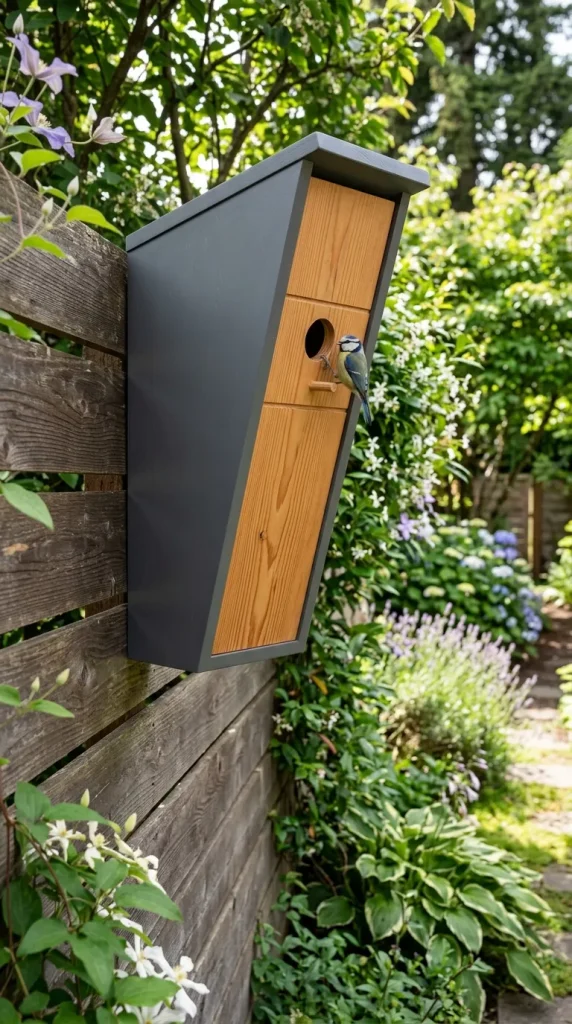
Applying bold architectural angles to a traditional nesting box design introduces a striking, mid-century modern design presence to your garden fencing lines. Build a tall, narrow birdhouse casing using smooth marine plywood, incorporating a dramatic, asymmetrical thirty-degree backward slant on the front facade panel. Drill a clean one-and-half-inch entrance hole near the upper apex, omitting exterior perches entirely to protect nesting chicks from climbing predators. Extend the flat back mounting plate six inches below the floor base to form a clean, integrated cantilevered bracket for seamless wall attachment. Paint the external side panels with a non-toxic matte charcoal exterior acrylic, leaving the front face raw and treated only with clear oil sealer to highlight the natural wood grain contrast. This disciplined geometric structure updates basic yard fixtures into refined pieces of contemporary home decor.
7. Upcycled Ceramic Teacup Perches
How to Create
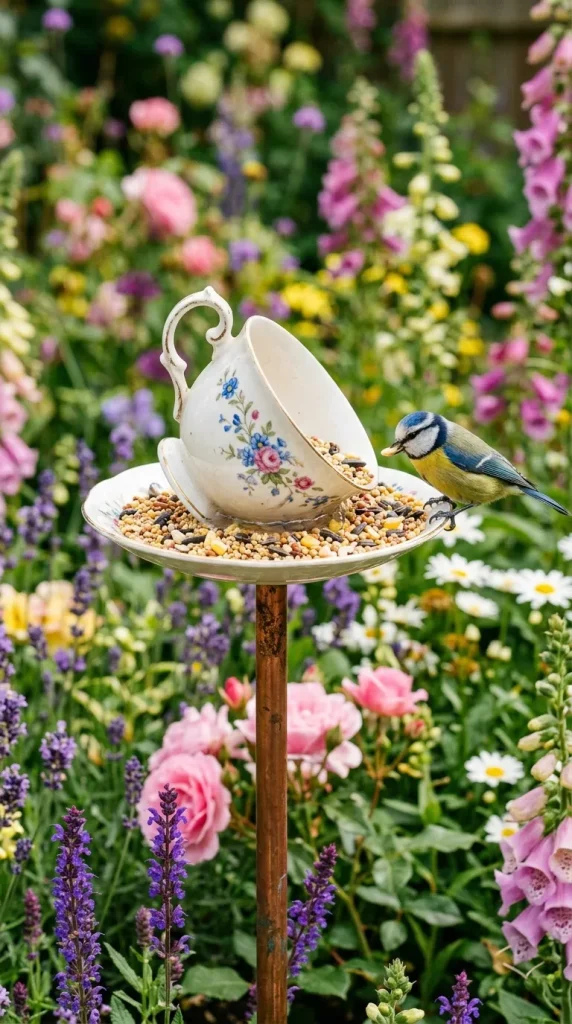
Mounting a vintage ceramic teacup and matching saucer combo onto a sturdy iron rod creates a delicate, whimsical feeding station for small songbirds. Thoroughly clean an old porcelain teacup set, then roughen the glossy glazed undersides slightly with fine-grit sandpaper to improve industrial adhesive bonding. Apply a generous bead of weather-resistant clear epoxy to the bottom rim of the cup, pressing it firmly onto the center of the saucer tray at a slight sideways tilt. Position the teacup handle pointing directly upward so it can function as an integrated attachment point for hanging utility cords or wires. Glue a small copper plumbing pipe cap flat to the absolute bottom center of the saucer, allowing you to slide the finished assembly onto a solid copper garden stake. This budget project adds classical charm to active flower beds while providing a stable feeding platform.
8. Shadowbox Viewing Window Feeders
Execution Process
Constructing a low-profile shadowbox feeder that attaches directly to your home window glass provides unparalleled up-close bird watching opportunities. Assemble a shallow, three-sided rectangular box frame using lightweight balsa wood or thin spruce strips, leaving the rear face completely open to expose the glass plane. Install a thin sheet of clear acrylic along the front face to act as a protective wind barrier, securing a small wooden feeding trough at the base. Fix four heavy-duty silicone suction cups firmly into pre-drilled holes along the left and right wooden frame walls. Press the completed assembly tightly against a clean exterior window pane at eye level, ensuring the suction cups form a completely airtight bond. This modern project layout allows families to observe feeding behaviors closely from inside the house, creating a highly engaging educational feature.

9. Log Cabin Natural Bark Huts
Setup Method
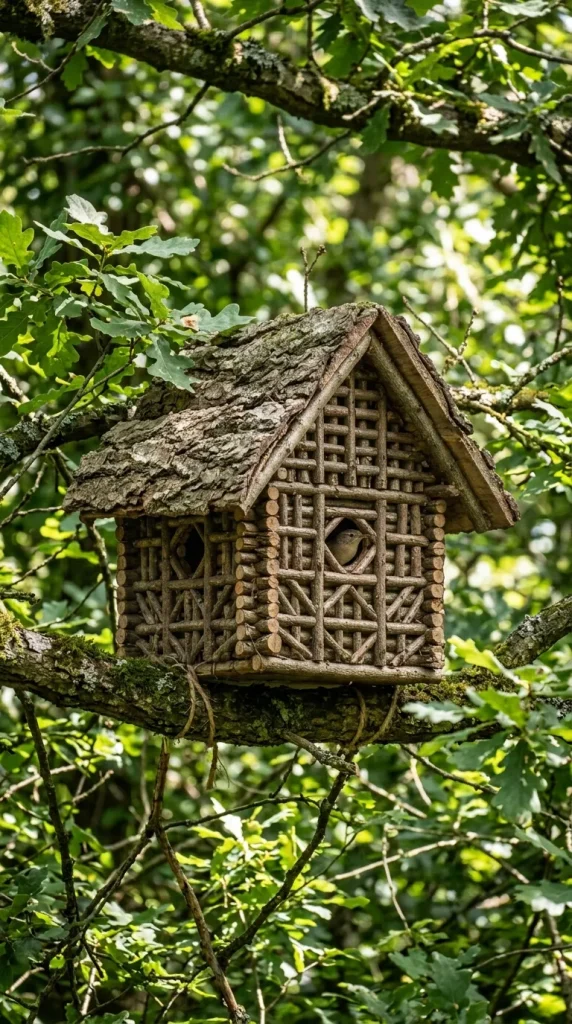
Building an authentic log-cabin style birdhouse involves stacking small, uniform tree branches to create a rugged structure that mimics natural nesting hollows. Collect twenty straight fallen oak or birch branches measuring approximately one inch in diameter, cutting them into uniform eight-inch lengths using a hand saw. Notch the ends of each branch piece with a chisel, interlocking them sequentially in a square log-cabin grid formation over a solid plywood base plate. Use weather-resistant exterior wood glue and brad nails to lock the branch matrix securely into place as you build up the walls. Construct a simple gabled roof using two thick slabs of raw, unpeeled tree bark to provide a highly effective, natural water-shedding canopy. This handmade construction provides excellent camouflage against tree trunks, protecting nesting songbirds from birds of prey.
10. Split-Level Geometric Hopper Inlays
How to Make
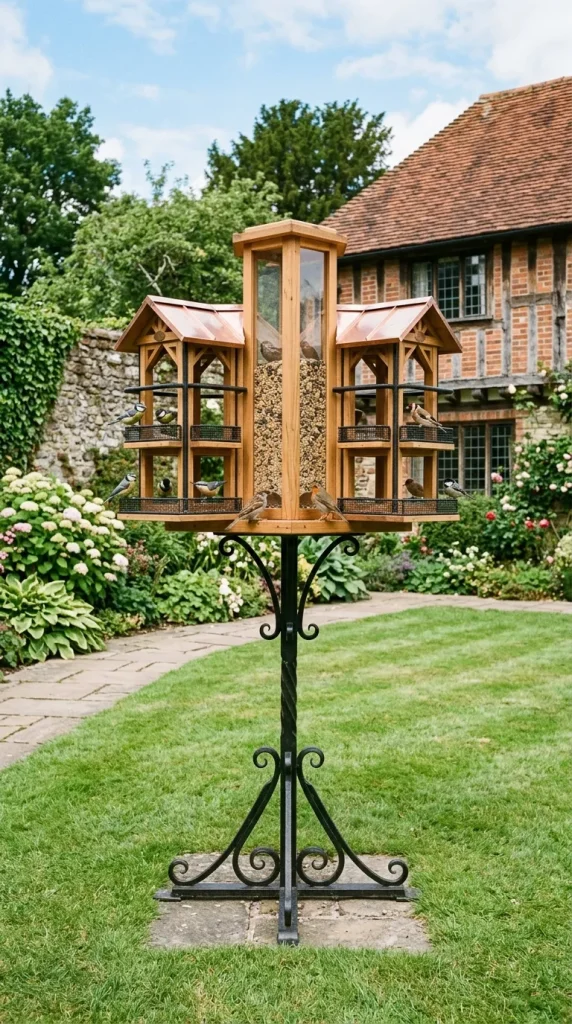
A split-level geometric hopper feeder uses a central vertical storage column flanked by two open-air feeding wings to create a balanced, high-capacity garden asset. Construct a central, rectangular wooden column measuring twelve inches in height, featuring a removable top lid for easy seed refilling tasks. Install two large panes of clear plexiglass into the front and back faces of the central column, sliding them into recessed grooves to serve as internal viewing walls. Attach two lower, symmetrical feeding troughs to the left and right base walls, allowing seeds to gravity-feed outward continuously into both wings. The wide, architectural silhouette provides a highly organized layout that allows multiple bird families to feed simultaneously without crowding the platform. Mount the heavy unit onto a decorative iron pedestal stand positioned in the center of an open courtyard lawn.
Common Beginner Mistakes and How to Avoid Them
A primary mistake when executing DIY bird feeder projects is applying regular interior craft paints or high-VOC oil stains to the internal components of the nesting box. Young chicks will frequently peck at the interior wooden walls, which can lead to the accidental ingestion of toxic chemical flakes and dangerous lead particles. Restrict all color treatments and protective sealants strictly to the absolute outermost decorative panels and roof caps to keep the interior nesting climate completely safe. Another common error is adding decorative wooden perches directly below the entrance hole of a standard birdhouse. While perches appear useful, they actually provide a convenient foothold for invasive predators like house sparrows, cats, and raccoons to access the nest easily. True native cavity-nesting birds do not require an exterior perch to enter a nesting box safely.
Practical Tips for Better Results
Achieving a highly professional, long-lasting installation with your handmade garden decorations relies on implementing proper drainage and ventilation steps across the wooden frame. Always drill four small quarter-inch drainage holes through the bottom floor plate of both feeders and birdhouses to allow accidental water infiltration to escape immediately. This simple step keeps your birdseed dry and prevents the accumulation of hazardous mold spores that can harm avian respiratory systems. Additionally, bore two half-inch ventilation holes near the upper side walls directly beneath the roofline to facilitate consistent airflow and prevent fatal overheating during intense summer heatwaves. When hanging structures from tree limbs, utilize thick, flexible rubber-coated utility wires rather than bare metal chains to protect delicate tree bark from friction damage over time.
Styling, Presentation, or Organization Ideas
Properly positioning your newly constructed bird house feeders involves balancing direct visual appeal with the strategic safety requirements of wild birds. Mount your completed feeding stations roughly ten feet away from dense landscape bushes or low ground brush piles where predatory domestic cats could hide. This optimal distance provides feeding birds with a clear line of sight to spot approaching dangers while keeping the colorful structures visible from your main home windows. Coordinate the color schemes of your painted wooden frames with your existing patio furniture fabrics, ceramic planters, or garden benches to build a unified design theme. Grouping different functional styles together, such as a hanging copper tube next to a standing platform bed, organizes your yard into a dedicated, visually engaging wildlife sanctuary.
Budget or Time Planning
Transforming your backyard landscape with custom avian architecture represents an exceptionally affordable home improvement activity that requires a minimal financial investment. Utilizing upcycled household items like old license plates, glass mason jars, or vintage ceramic dishes keeps your primary material costs low while producing a unique aesthetic look. A standard single-panel hopper installation typically requires less than two hours of active crafting time from start to finish, including precise measuring and hardware fastening steps. More complex geometric layouts, such as living roof succulent platforms or split-level hoppers, can be completed comfortably over a single weekend afternoon. Allocating a specific portion of your budget toward premium, non-toxic waterproof wood glues and stainless steel screws ensures structural safety, protecting your creative project against multiple seasons of intense weather.
Creative Expansion and Advanced Inspiration
Once your core garden feeding stations are securely mounted, you can elevate your backyard layout by incorporating advanced technological components like integrated, wireless micro-cameras. Installing a small, weather-sealed low-profile camera lens inside the upper roof line of a nesting box allows you to stream live footage of hatching chicks directly to your smartphone device. This educational upgrade enhances your backyard viewing experience dramatically without disturbing the birds during critical nesting phases. Another progressive concept involves adding custom mosaic tile borders to the pitched roof surfaces using frost-resistant glass gems or broken pottery fragments fixed with exterior mortar. Exploring these unique texture changes allows homeowners to craft highly personalized garden accent pieces that perfectly balance environmental utility with forward-thinking modern design trends.